 01
Measuring & layout
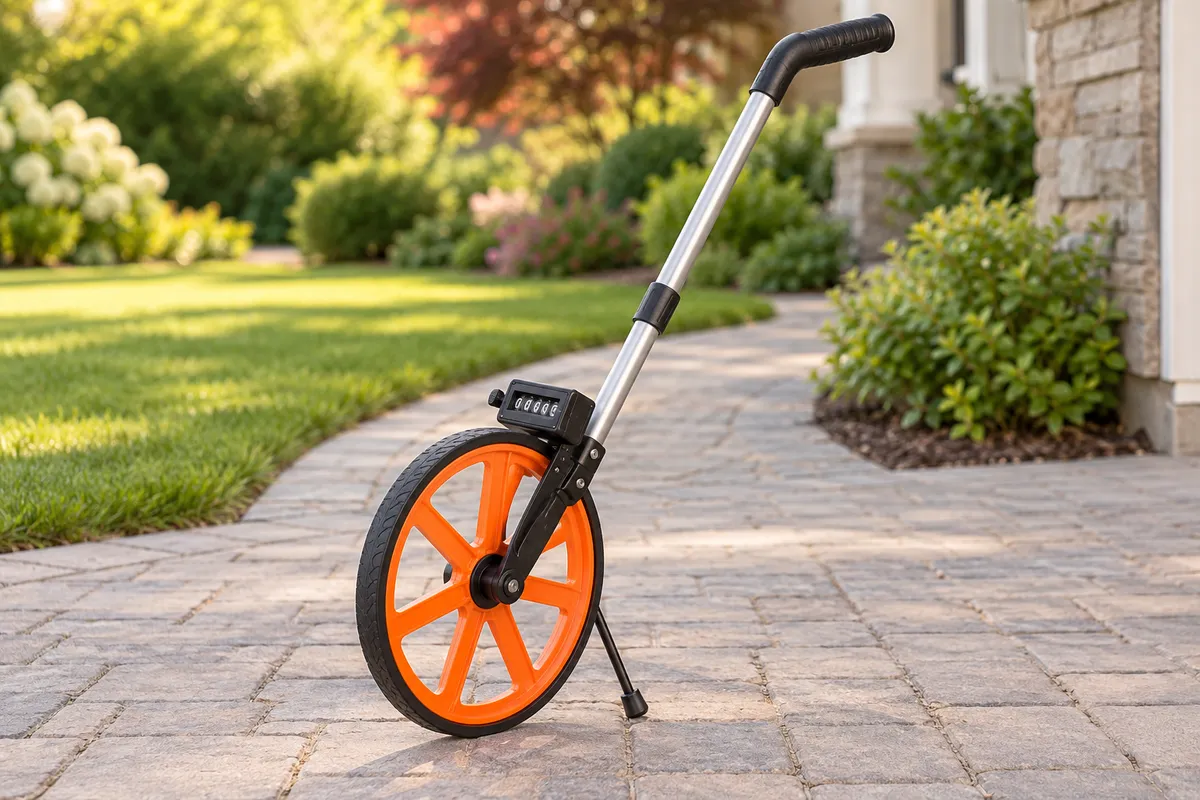
Measuring wheel for outdoor distances
Estimate a path or trench route without confusing surface distance with a horizontal survey measurement.
Learn how to use itFIELD TOOL ENCYCLOPEDIA
A practical encyclopedia of measuring tools for diagnosing home systems. Learn what each instrument can prove, how to use it, what can distort a reading and when to stop and call a qualified professional.
Search by name or task, in any word order. Closest name matches appear first.
Choose 2–3 instruments using the card buttons. Compare tasks and capabilities, not brands.
01Estimate a path or trench route without confusing surface distance with a horizontal survey measurement.
Learn how to use it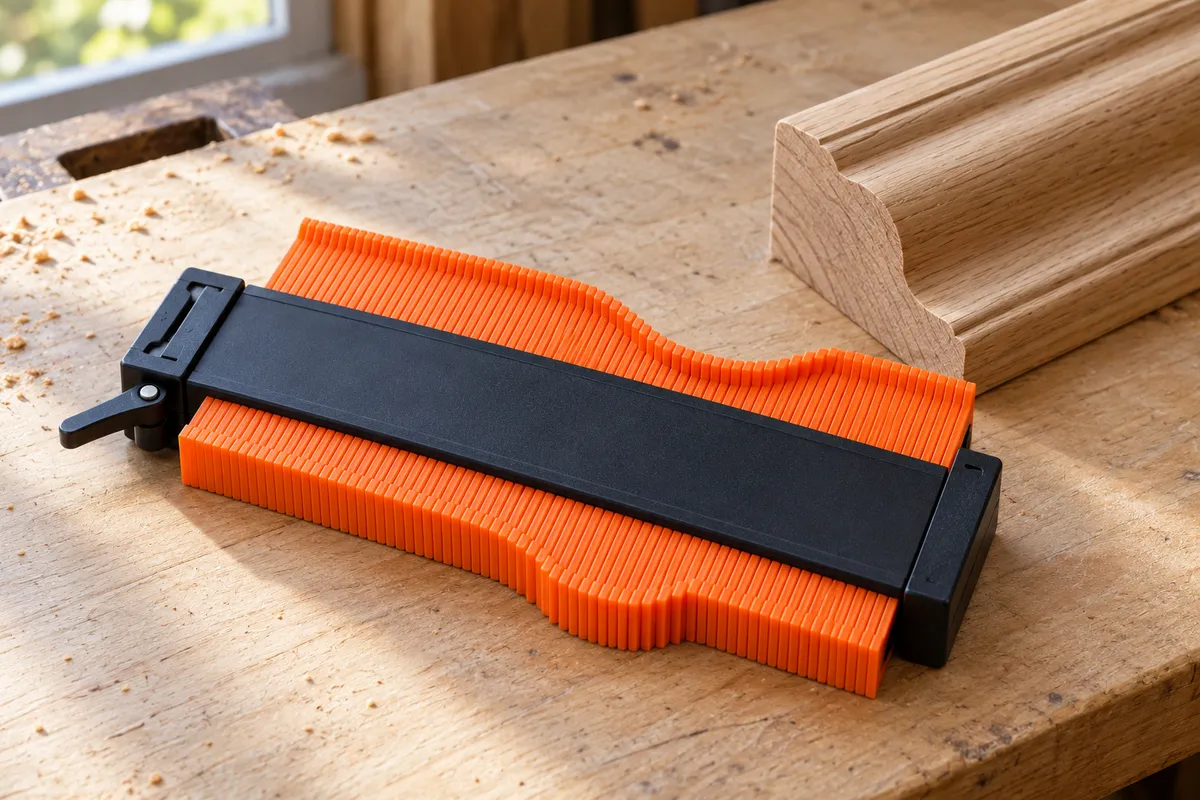 02
Copy an accessible profile around trim or a pipe, then check orientation and fitting allowances before cutting.
Learn how to use it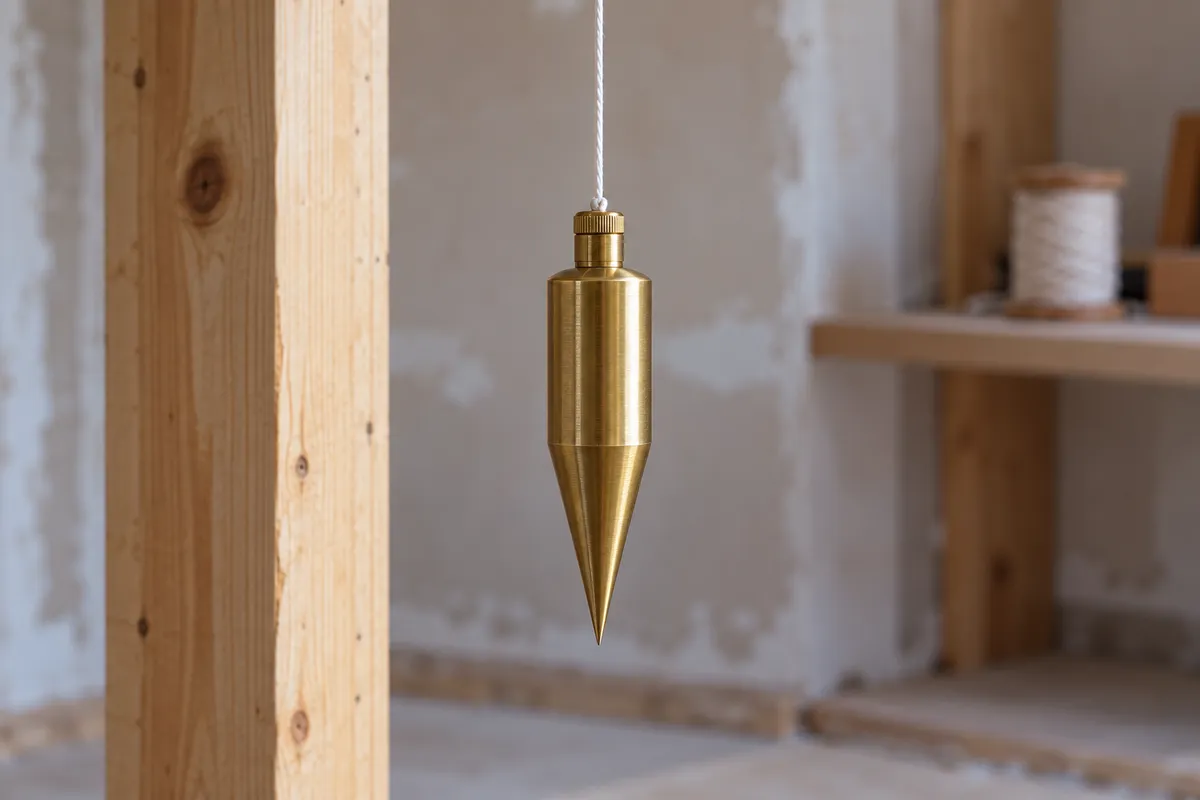 03
Create a gravity-based vertical reference and check an accessible surface without a laser or batteries.
Learn how to use it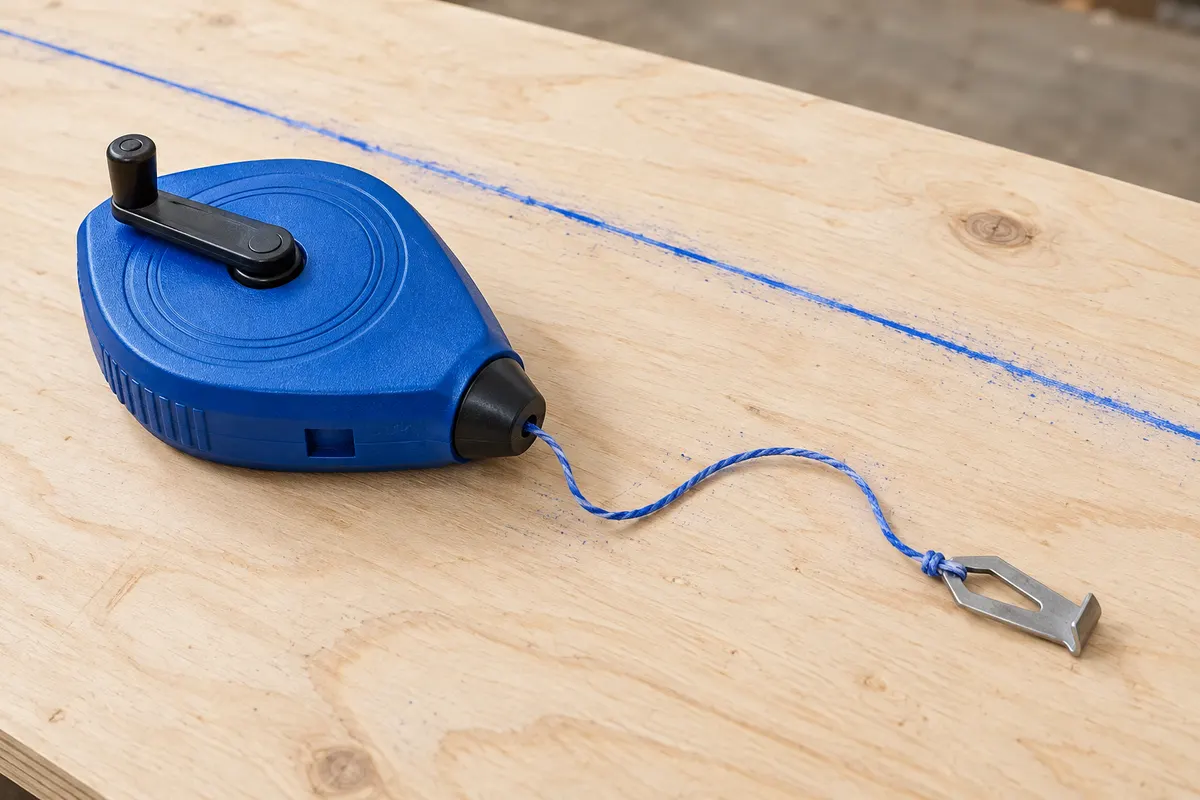 04
Transfer a straight reference between two checked points before laying tiles or marking boards.
Learn how to use it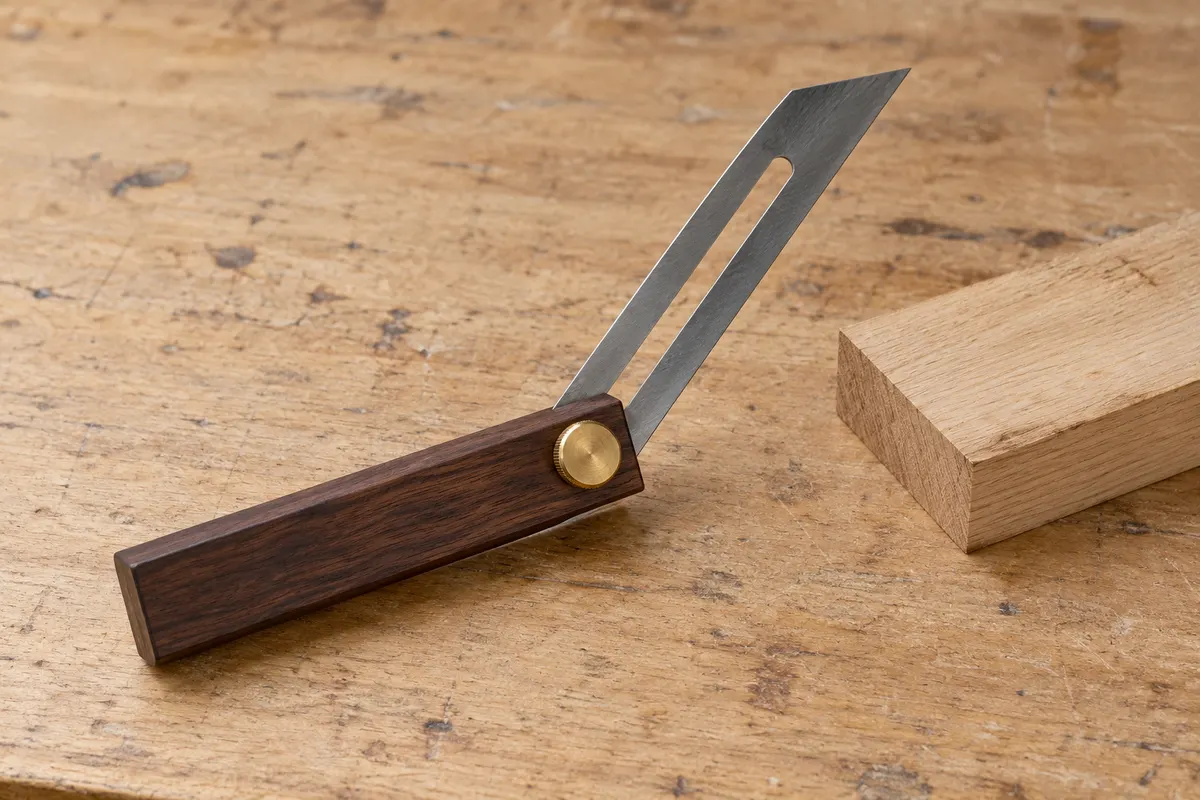 05
Copy an existing corner angle to a workpiece without pretending to measure its degrees.
Learn how to use it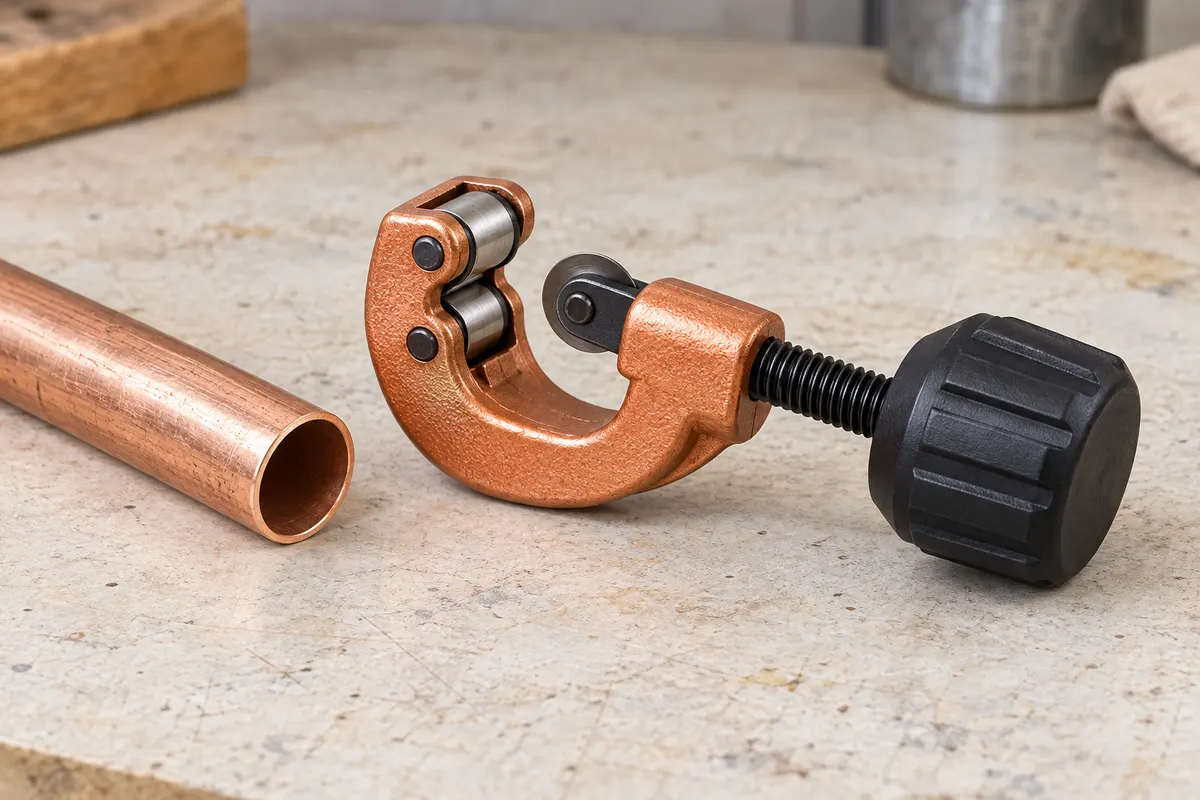 06
Make a square tube end, then inspect and prepare it for the intended fitting.
Learn how to use it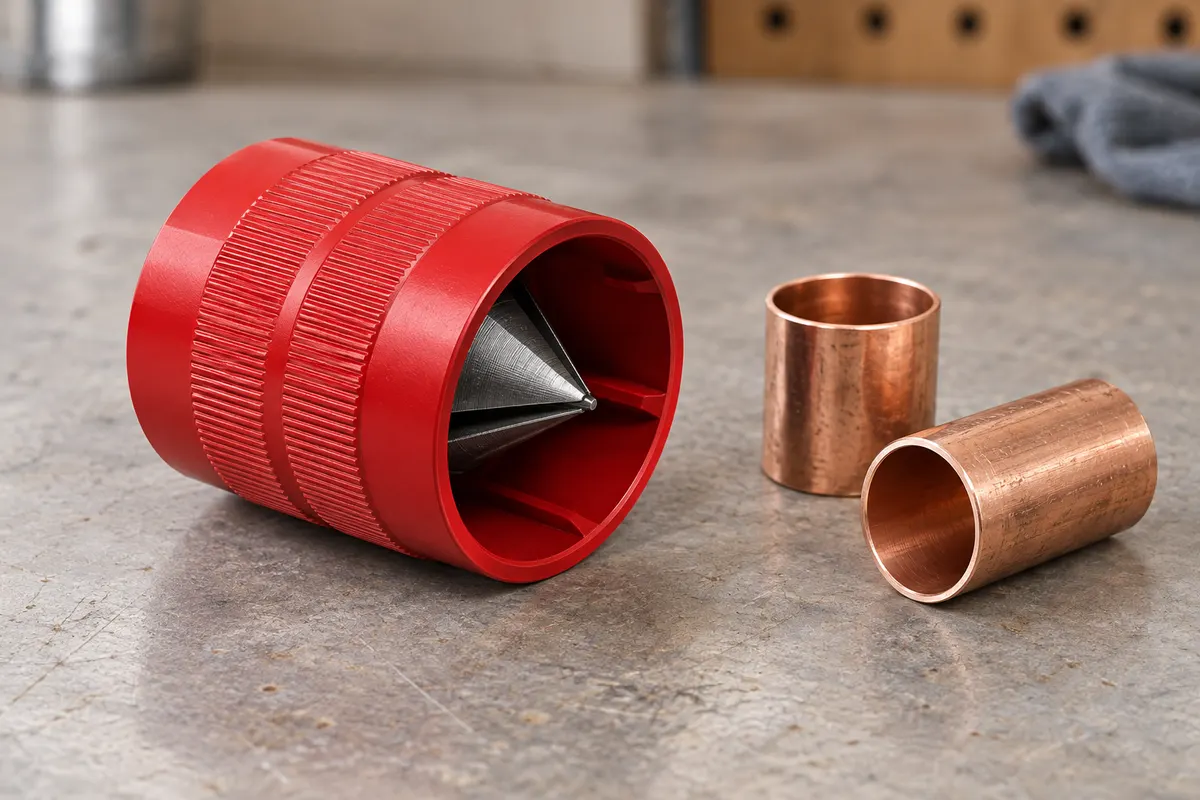 07
Remove the cut-end burr without thinning the tube or changing the fitting geometry by guesswork.
Learn how to use it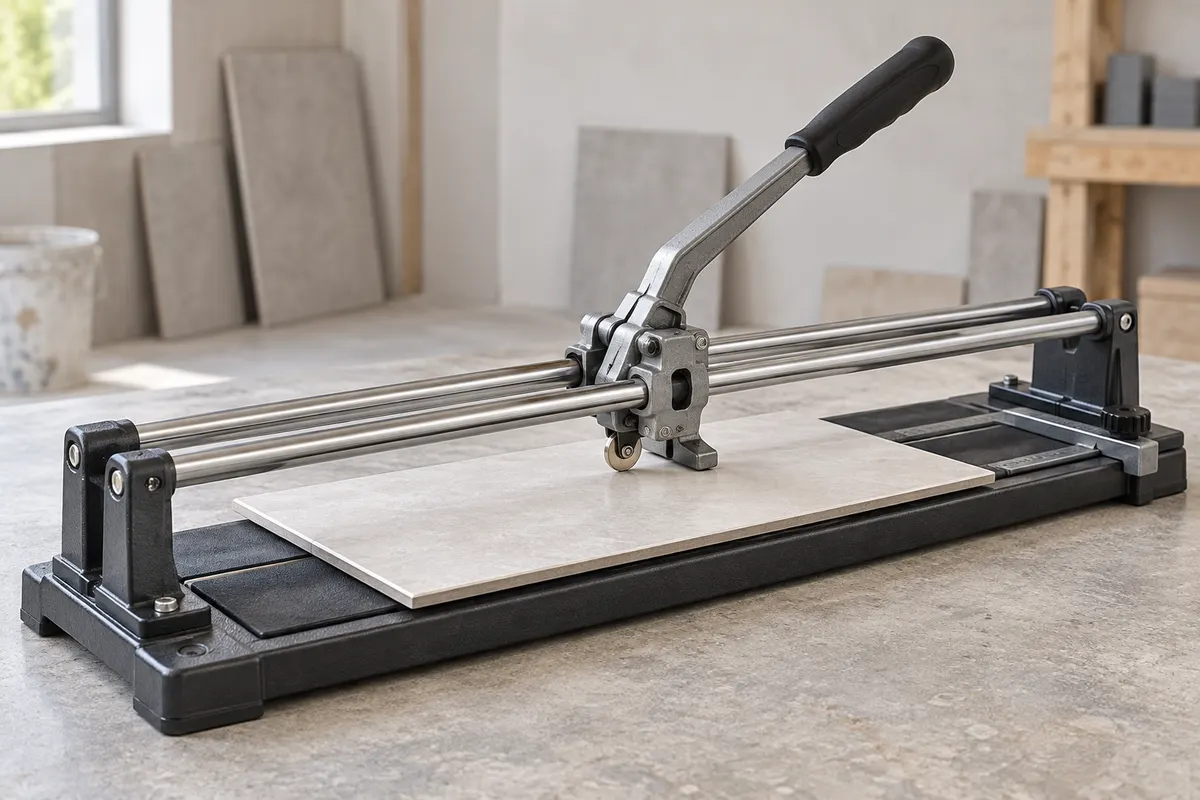 08
Test straight cuts in the intended tile batch before committing the visible edge pieces.
Learn how to use it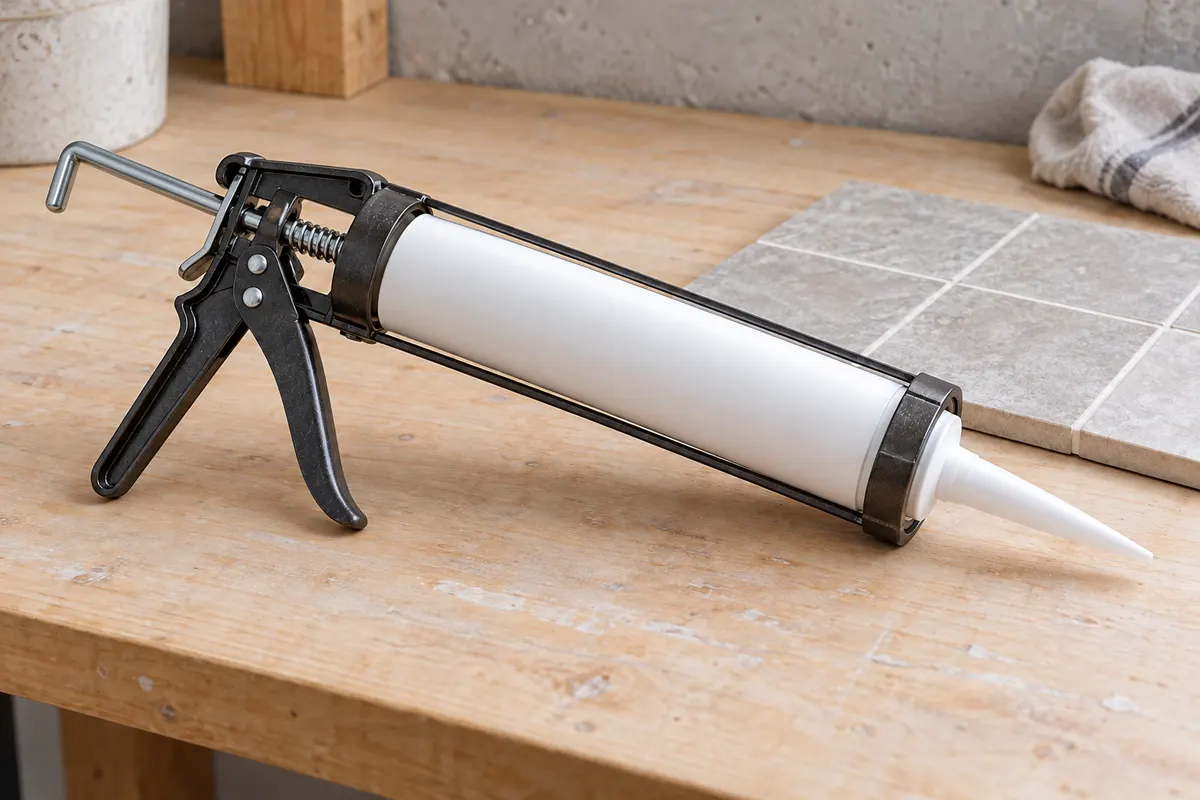 09
Control bead delivery while respecting the sealant’s joint design, preparation and tooling time.
Learn how to use it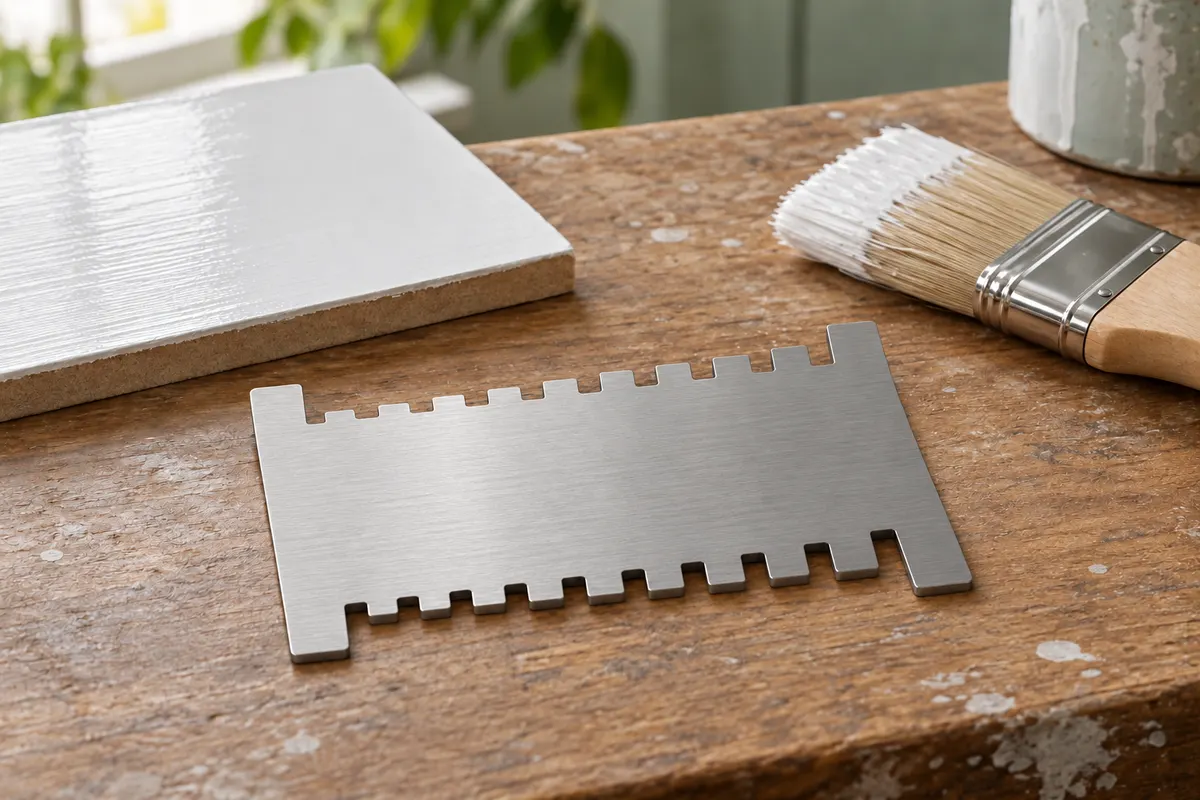 10
Check a freshly applied coating against its specified wet-film thickness, before it dries.
Learn how to use it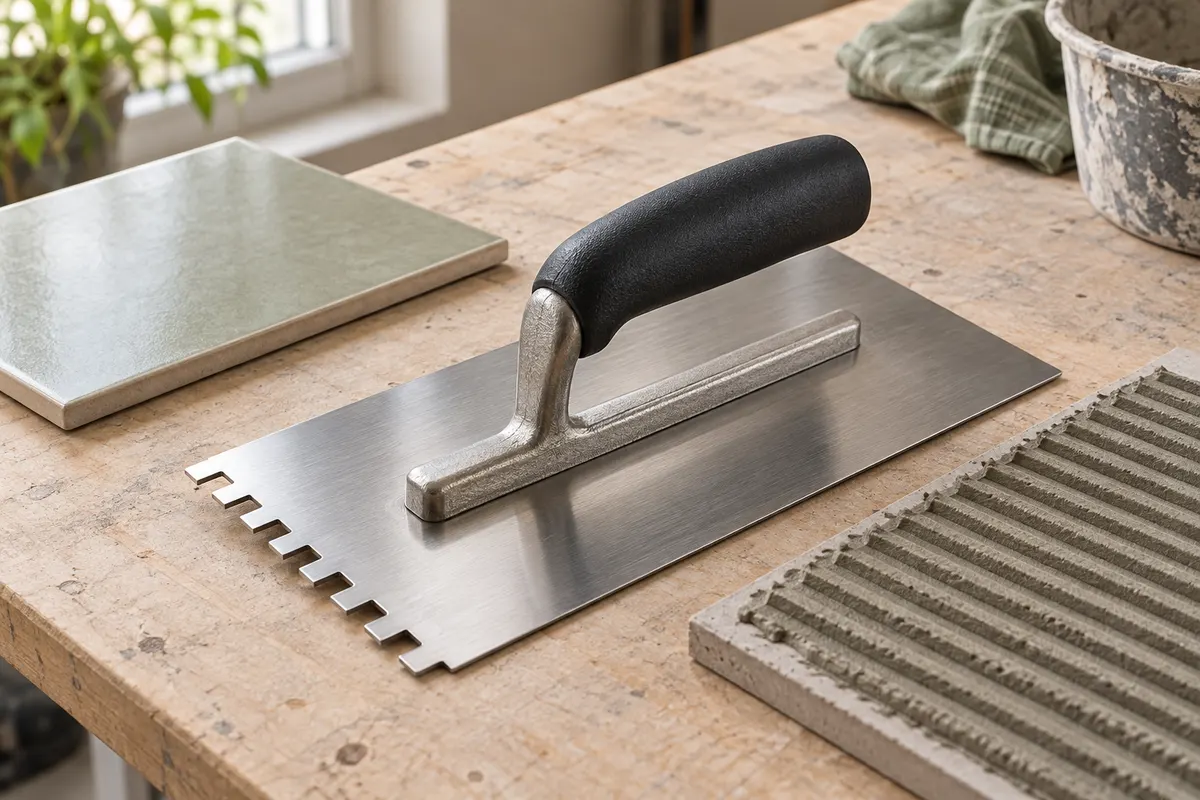 11
Choose and check the adhesive-spreading tool using the tile, substrate and adhesive instructions—not notch size alone.
Learn how to use it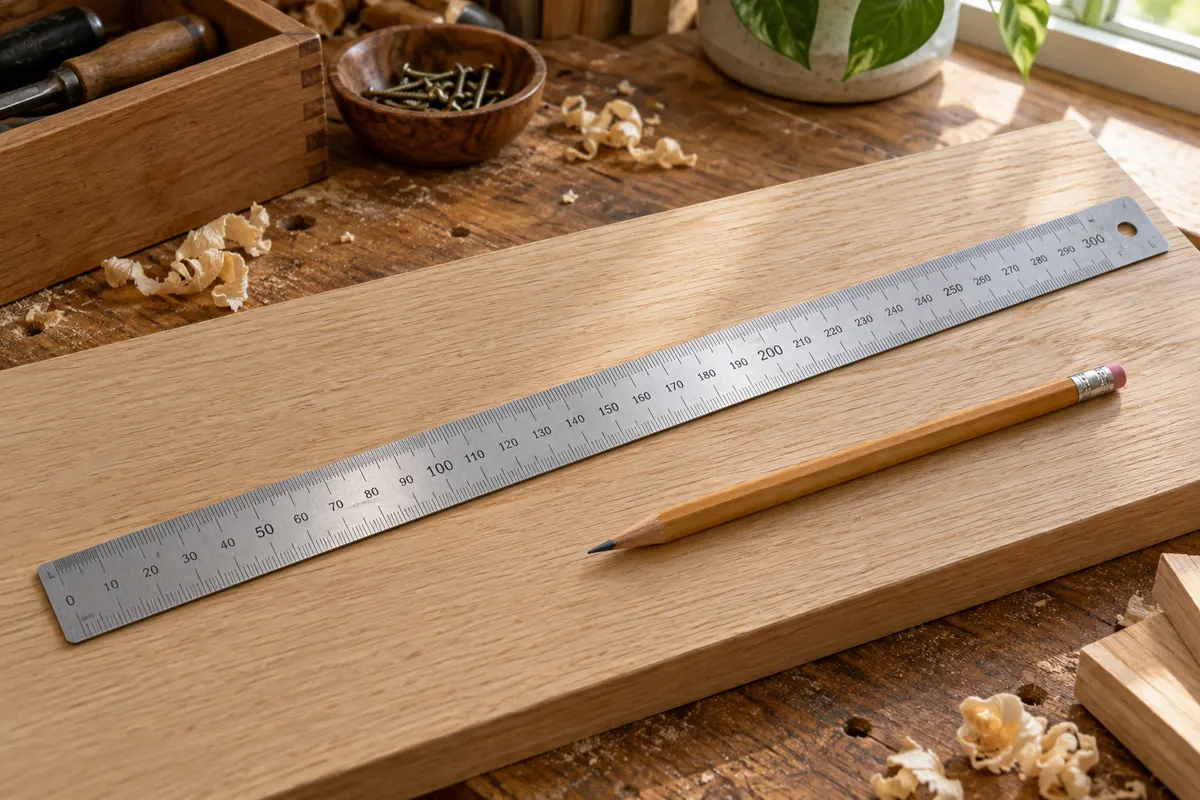 12
Measure short lengths and mark trim from a clear reference without confusing scale divisions with guaranteed accuracy.
Learn how to use it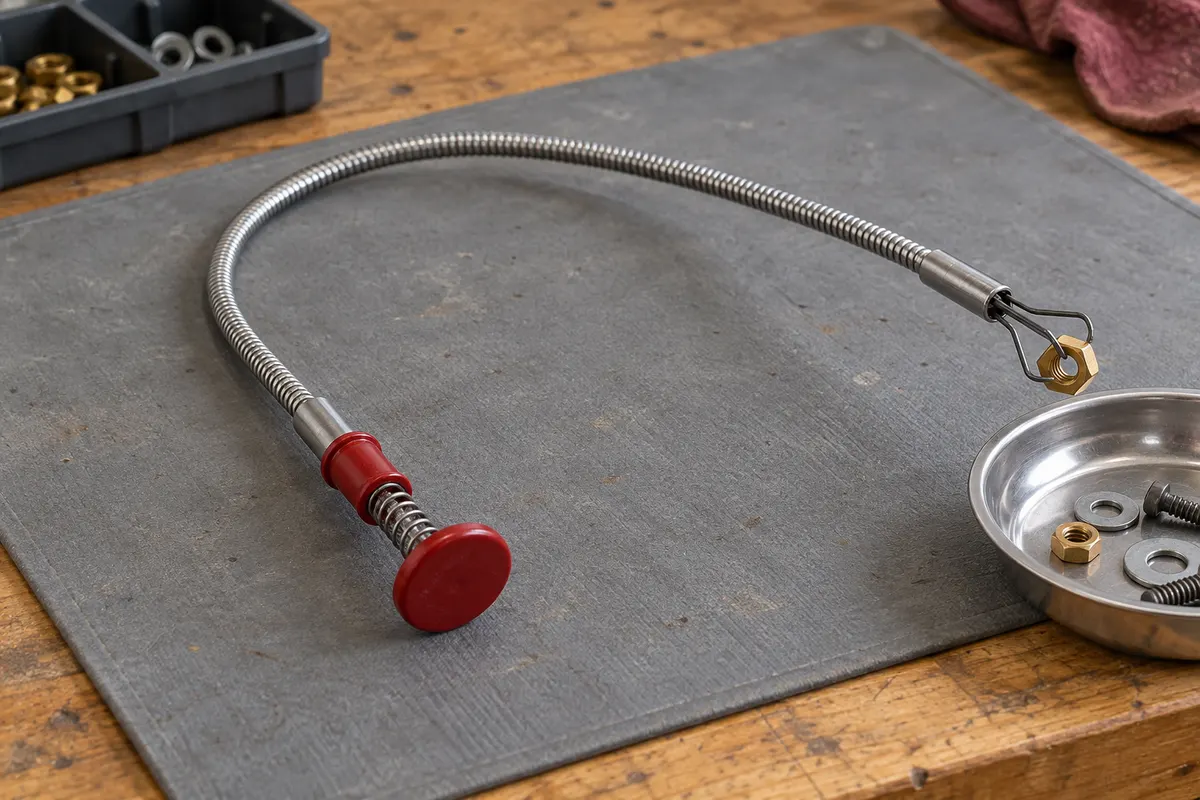 13
Retrieve a small nonmagnetic nut or plastic part from a visible accessible gap with a controlled mechanical grip.
Learn how to use it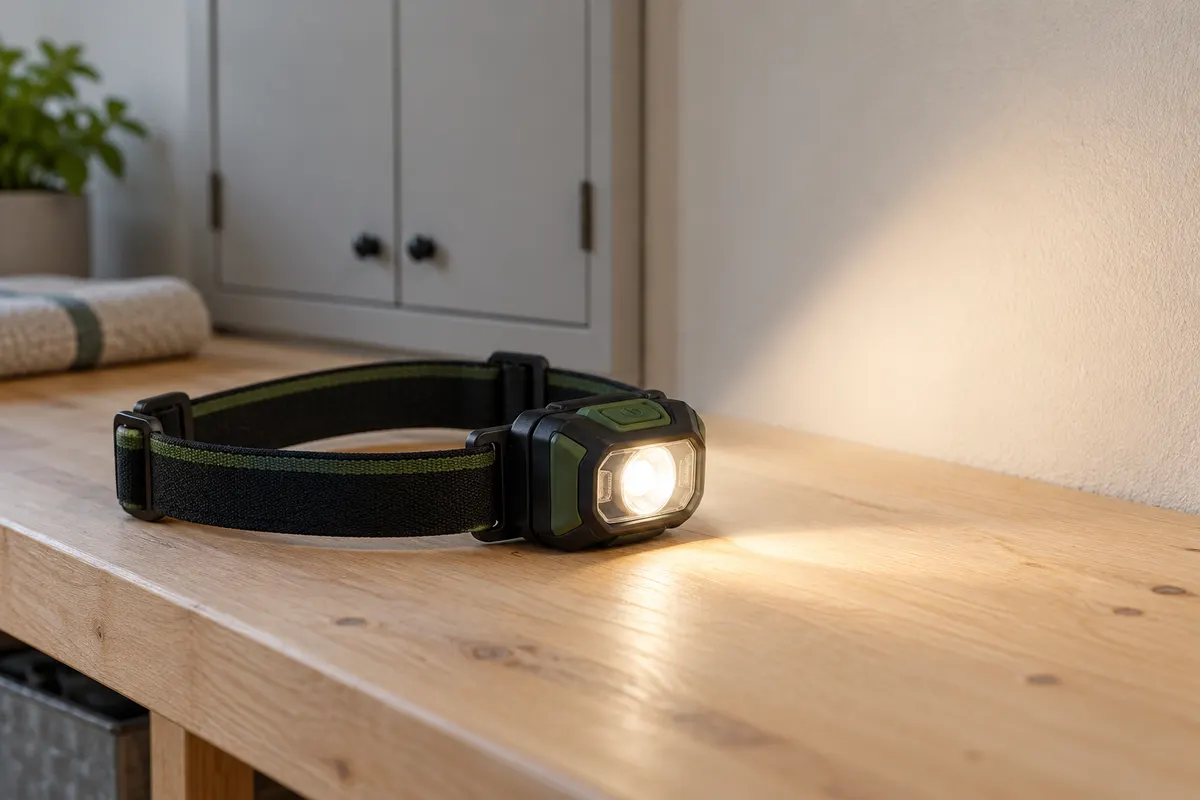 14
Light accessible joints and dark corners while keeping your hands free; choose a useful beam, not just a large lumen number.
Learn how to use it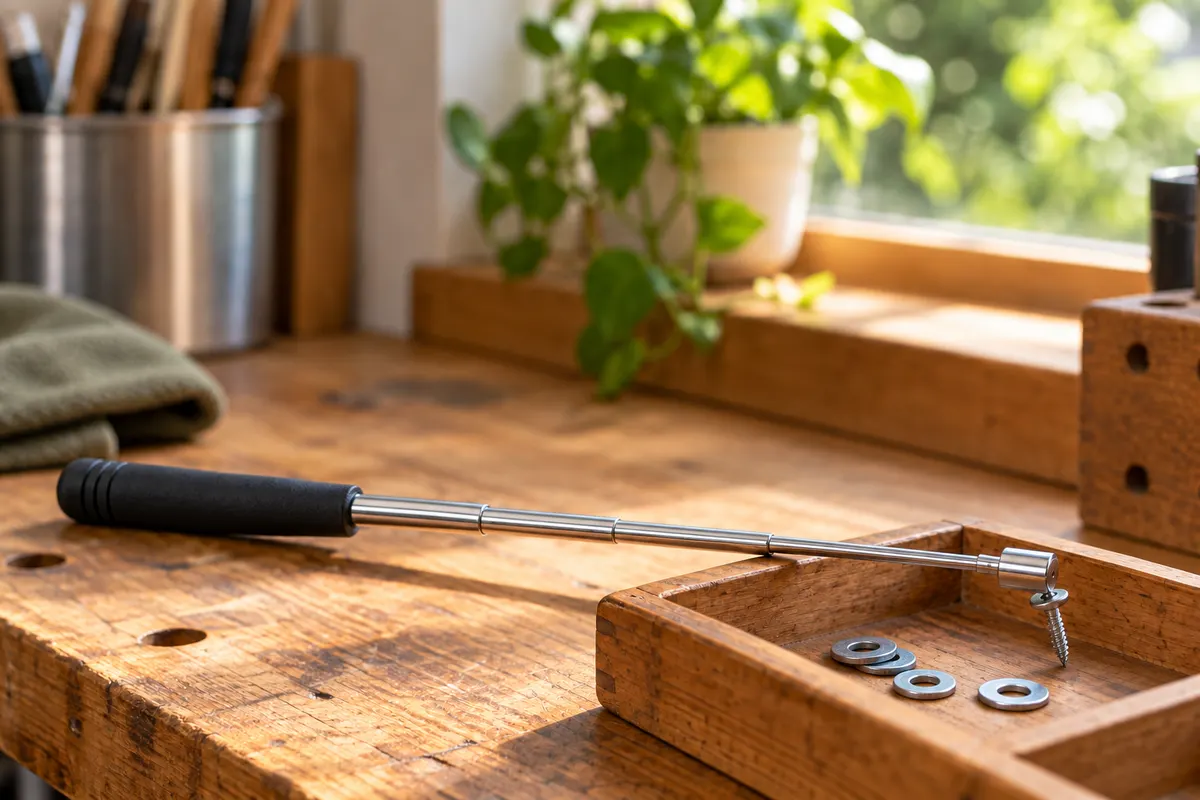 15
Retrieve small steel screws and washers from accessible gaps without pushing them farther in.
Learn how to use it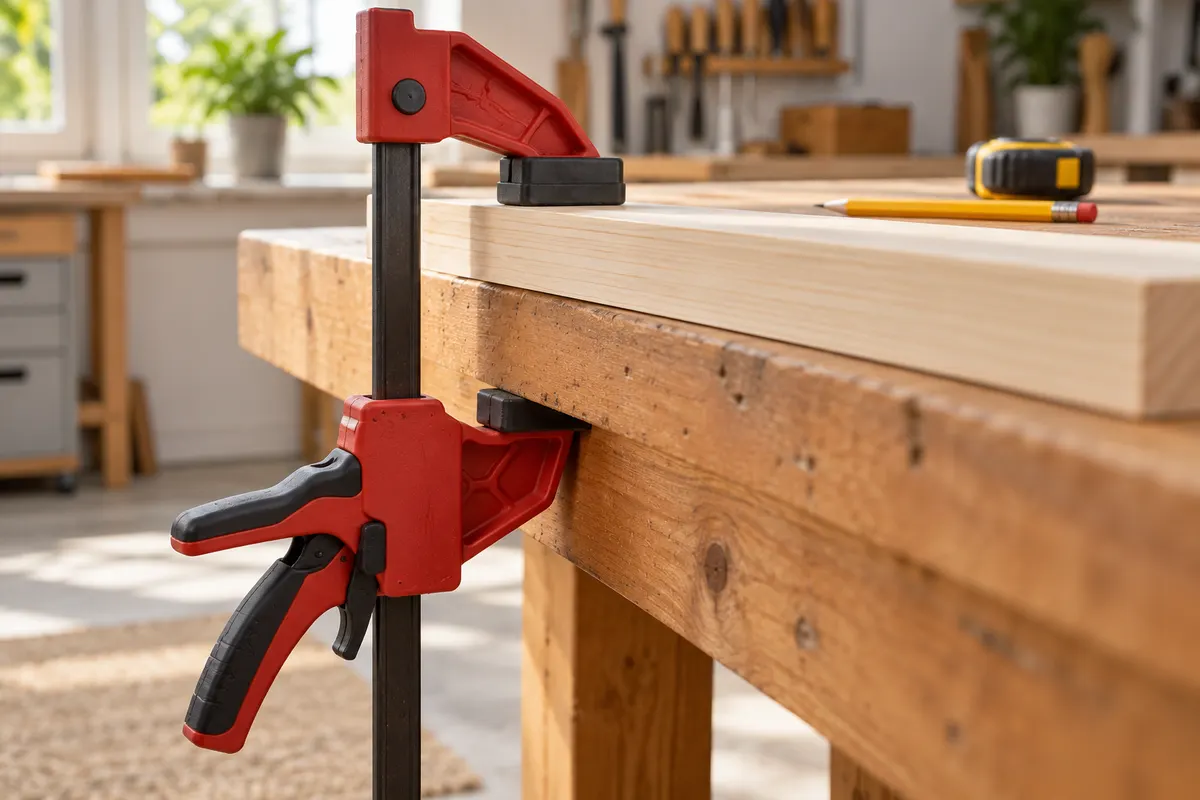 16
Hold a trim piece or small board during marking and assembly without crushing its surface.
Learn how to use it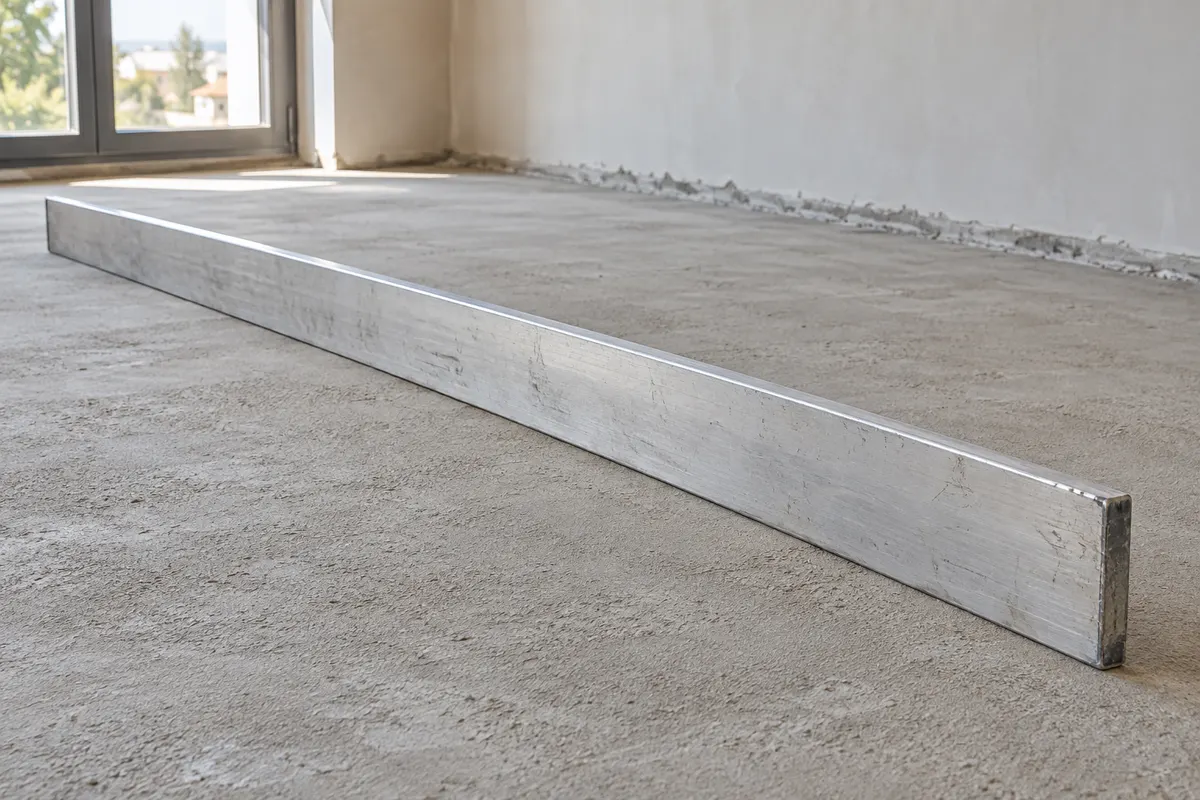 17
Find local hollows and high spots before finishing, without confusing surface flatness with level.
Learn how to use it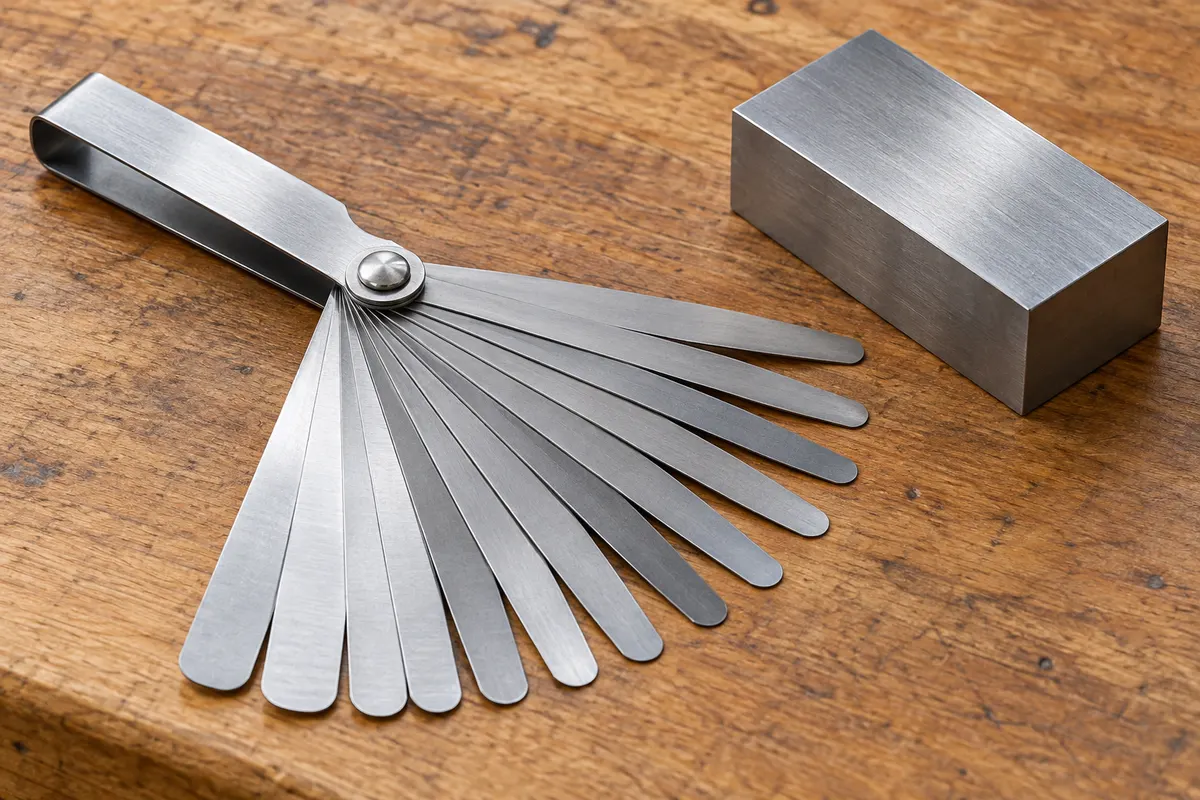 18
Use marked steel leaves to bracket an accessible gap, rather than guessing from a shadow or forcing a blade through.
Learn how to use it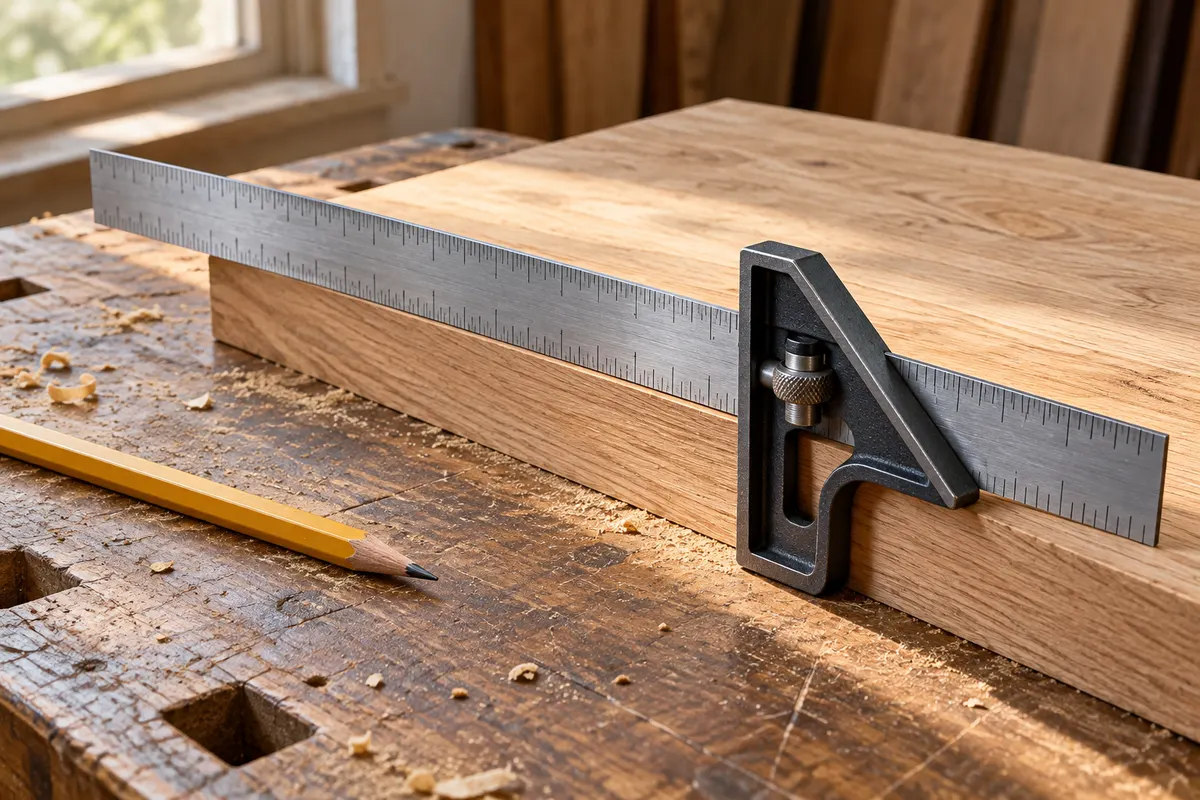 19
Mark right angles and consistent offsets from a clean reference edge using a sliding square head.
Learn how to use it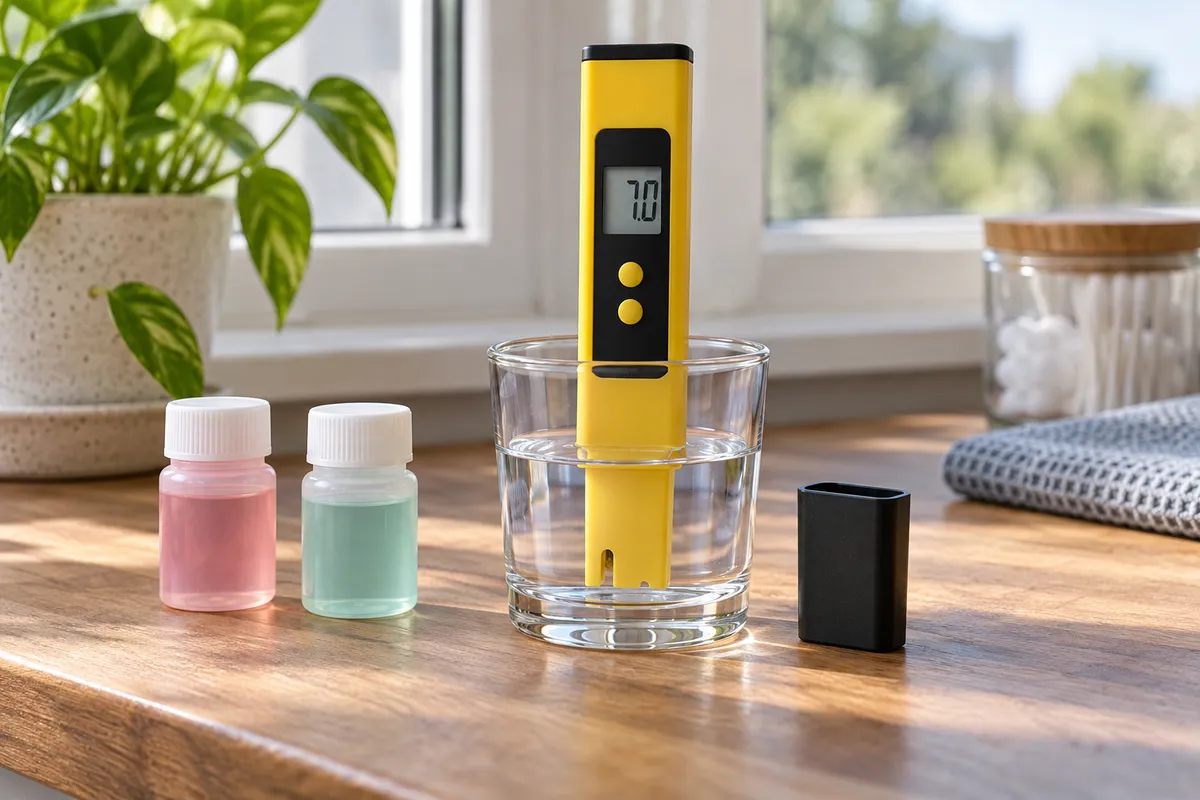 20
Check acidity with a calibrated electrode and keep the result separate from drinking-water safety.
Learn how to use it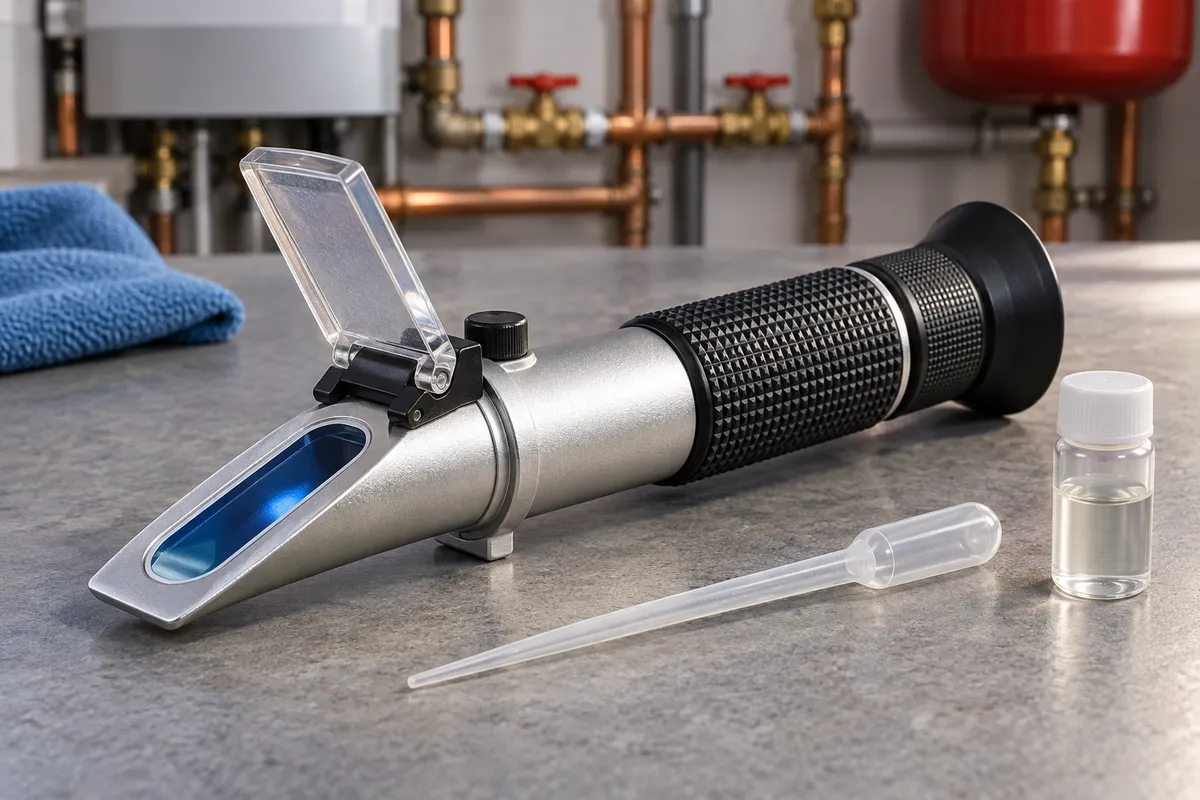 21
Check a known glycol sample with the correct scale; do not confuse concentration with a complete system-health assessment.
Learn how to use it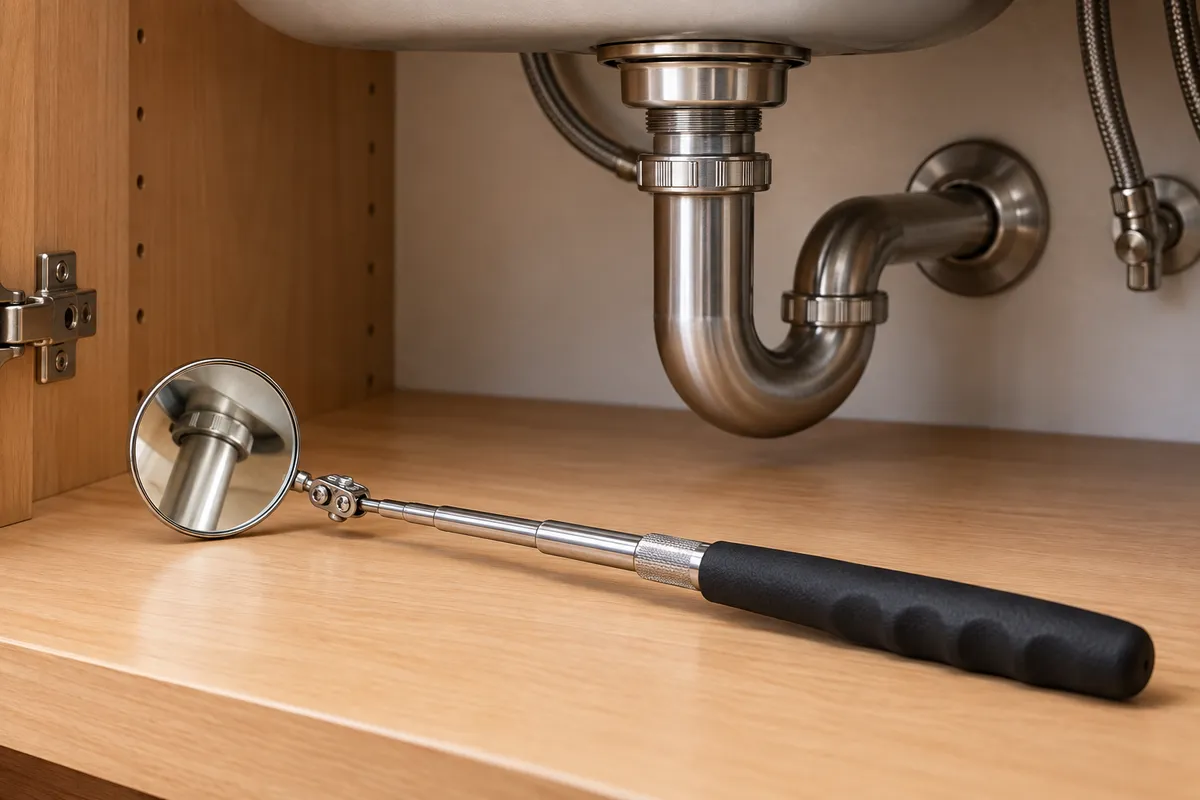 22
Look behind an accessible fitting without taking it apart, then confirm what the reflection actually shows.
Learn how to use it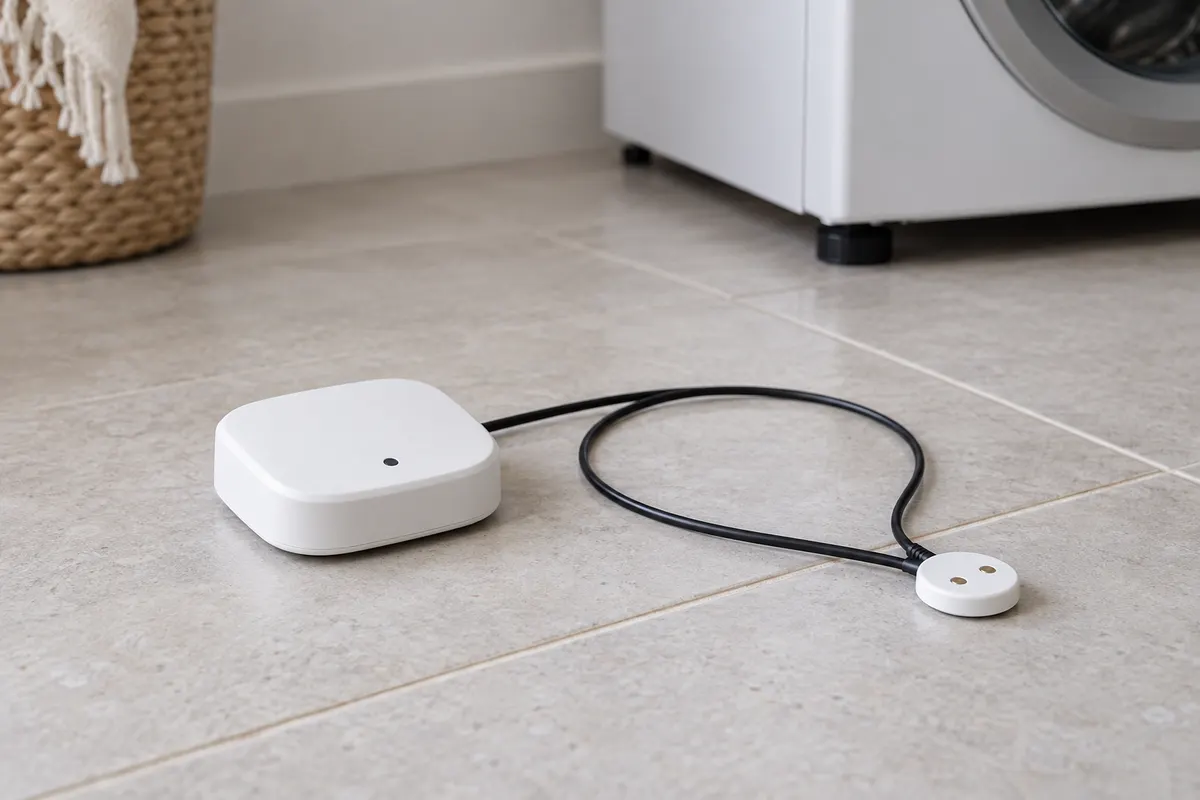 23
Arrange an early warning where escaping water can reach a sensor, then test how the warning reaches you.
Learn how to use it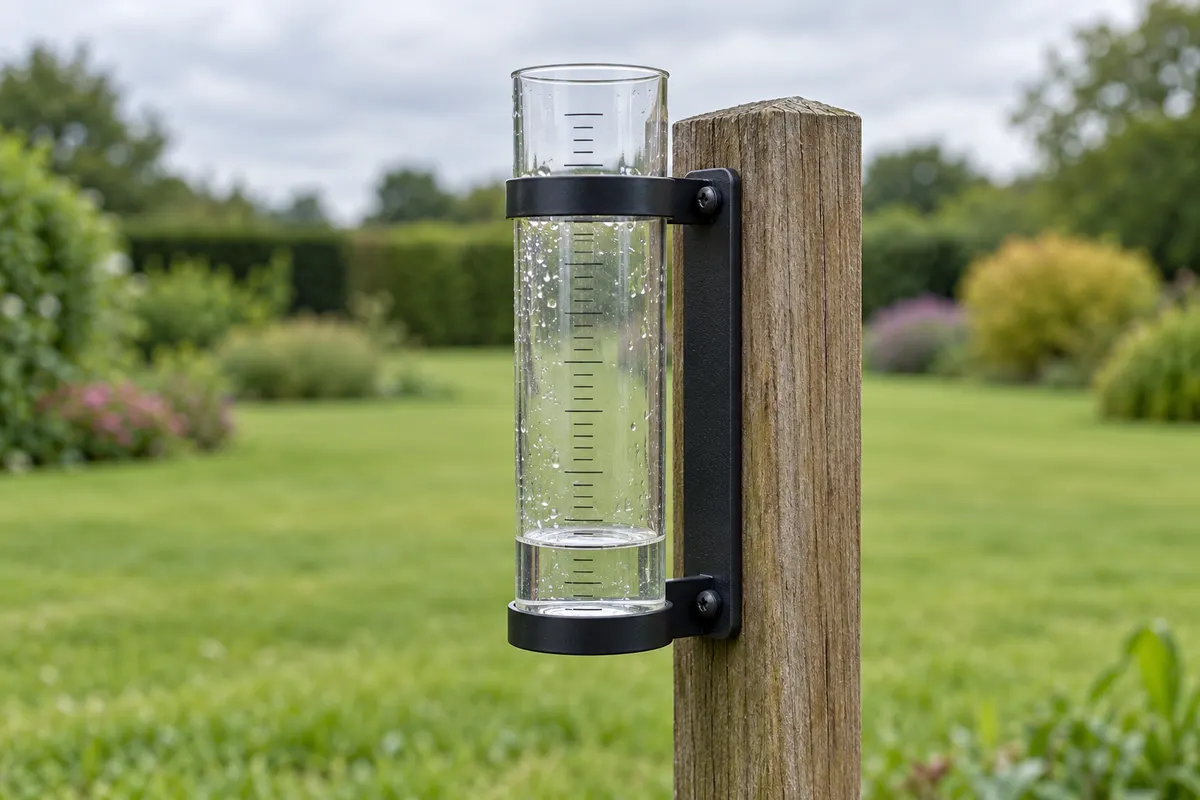 24
Keep a local rainfall record and distinguish measured rain depth from roof yield and storm intensity.
Learn how to use it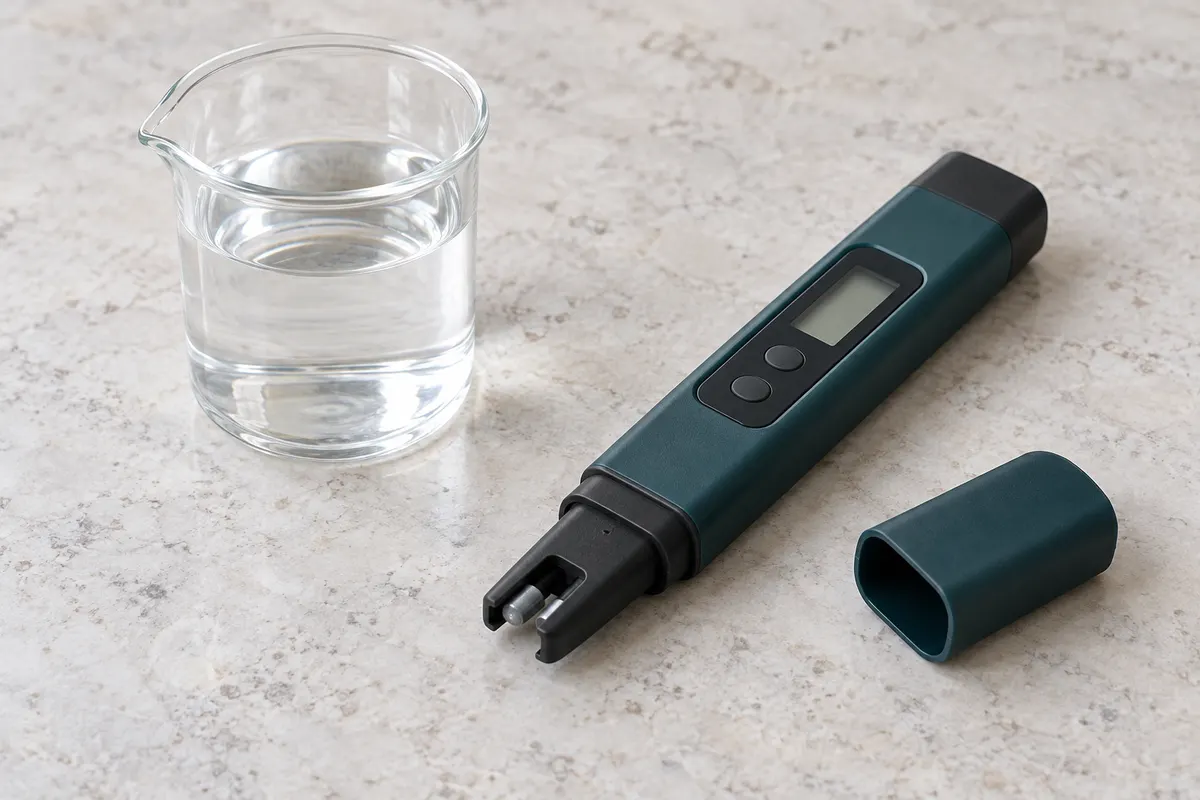 25
Track electrical conductivity in a water sample without mistaking the result for hardness or drinking-water safety.
Learn how to use it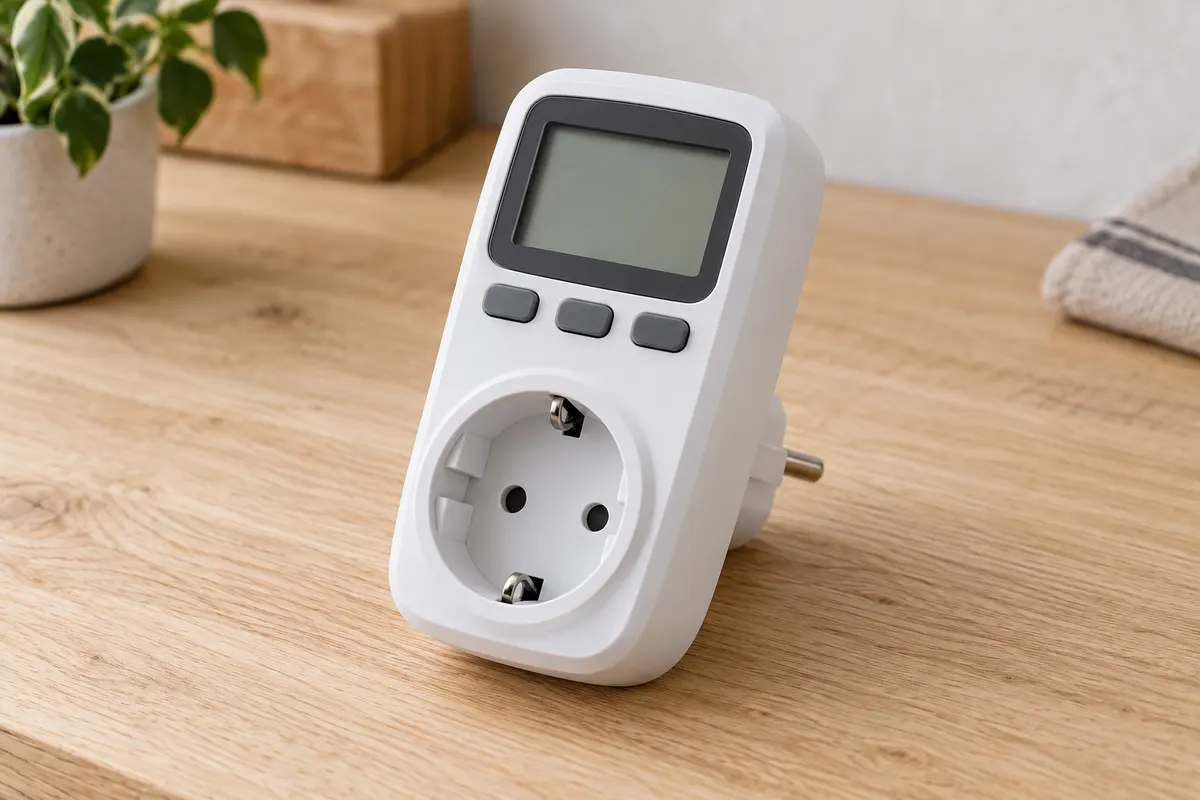 26
Measure appliance energy over a real operating cycle instead of treating nameplate watts as daily consumption.
Learn how to use it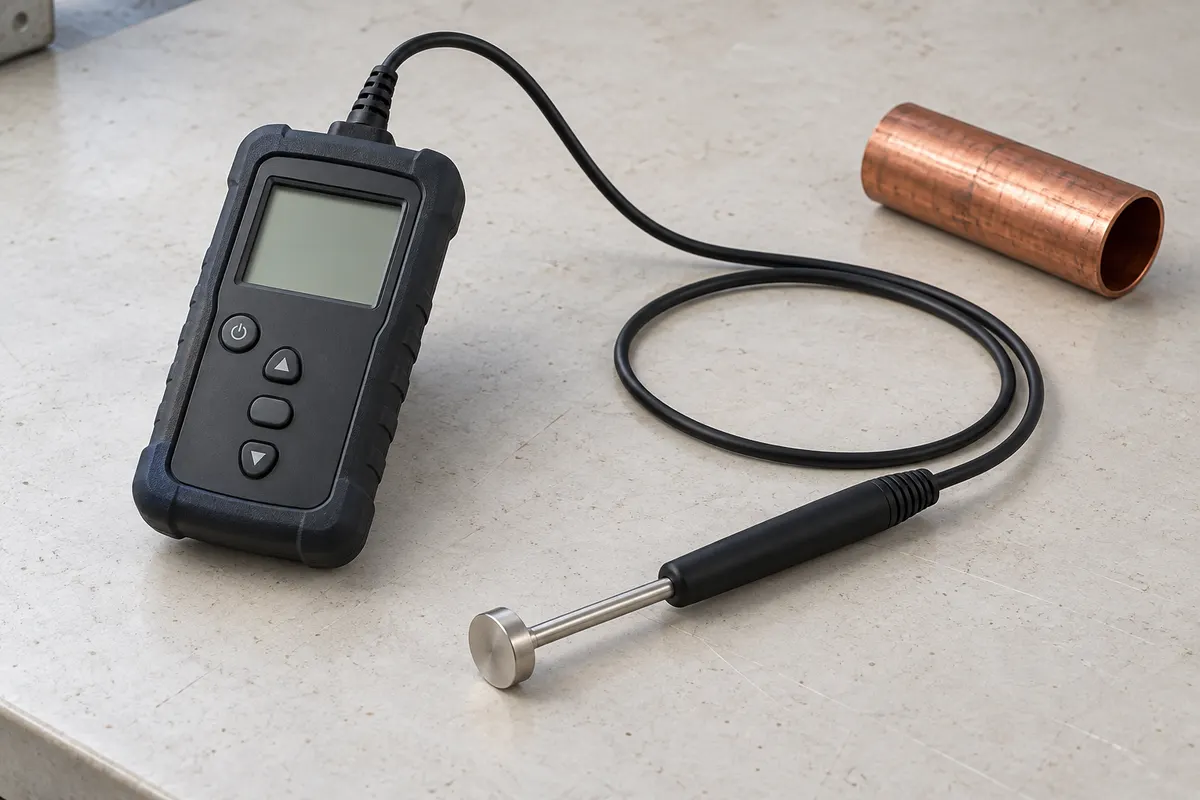 27
Check pipe or surface temperatures with an appropriate probe and recognize why surface temperature is not automatically water temperature.
Learn how to use it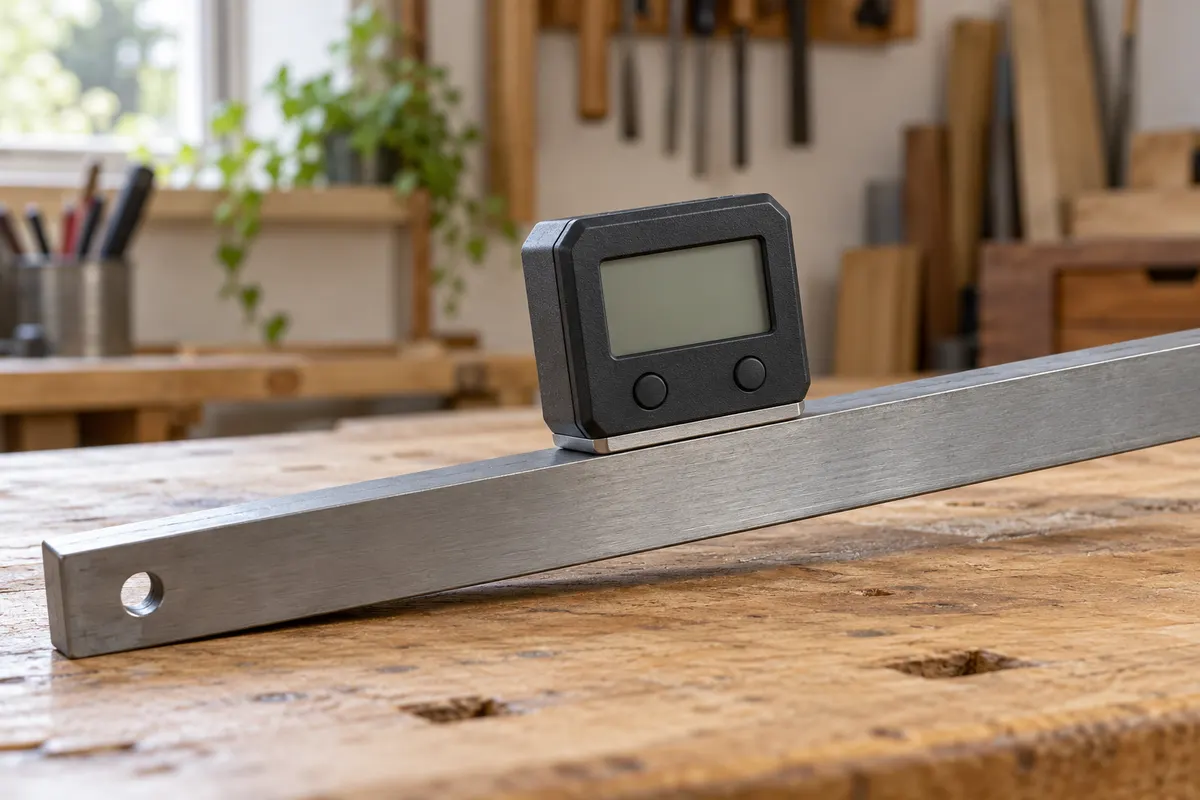 28
Check inclination, distinguish absolute level from a relative zero and avoid confusing degrees with percentage slope.
Learn how to use it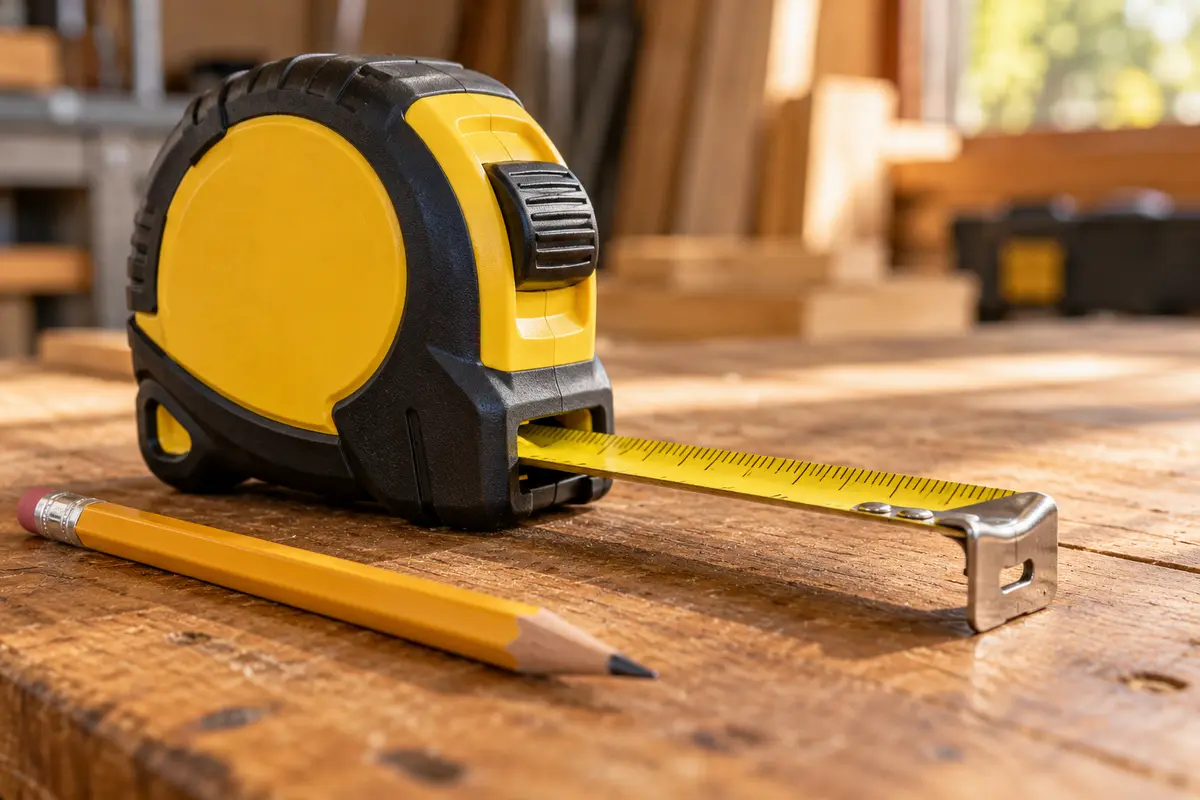 29
Measure a room, check an opening and avoid hook, sag and unit errors before ordering materials.
Learn how to use it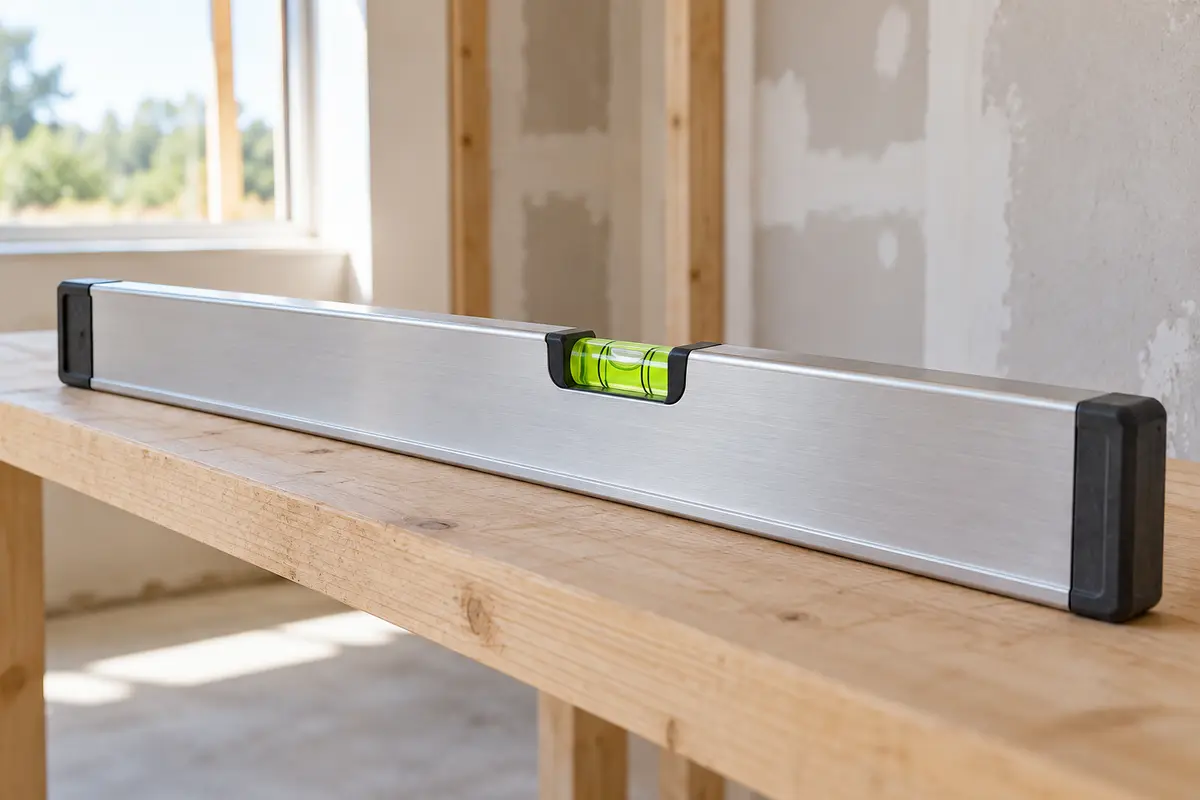 30
Check horizontal and vertical alignment, test the level itself and distinguish level from a designed slope.
Learn how to use it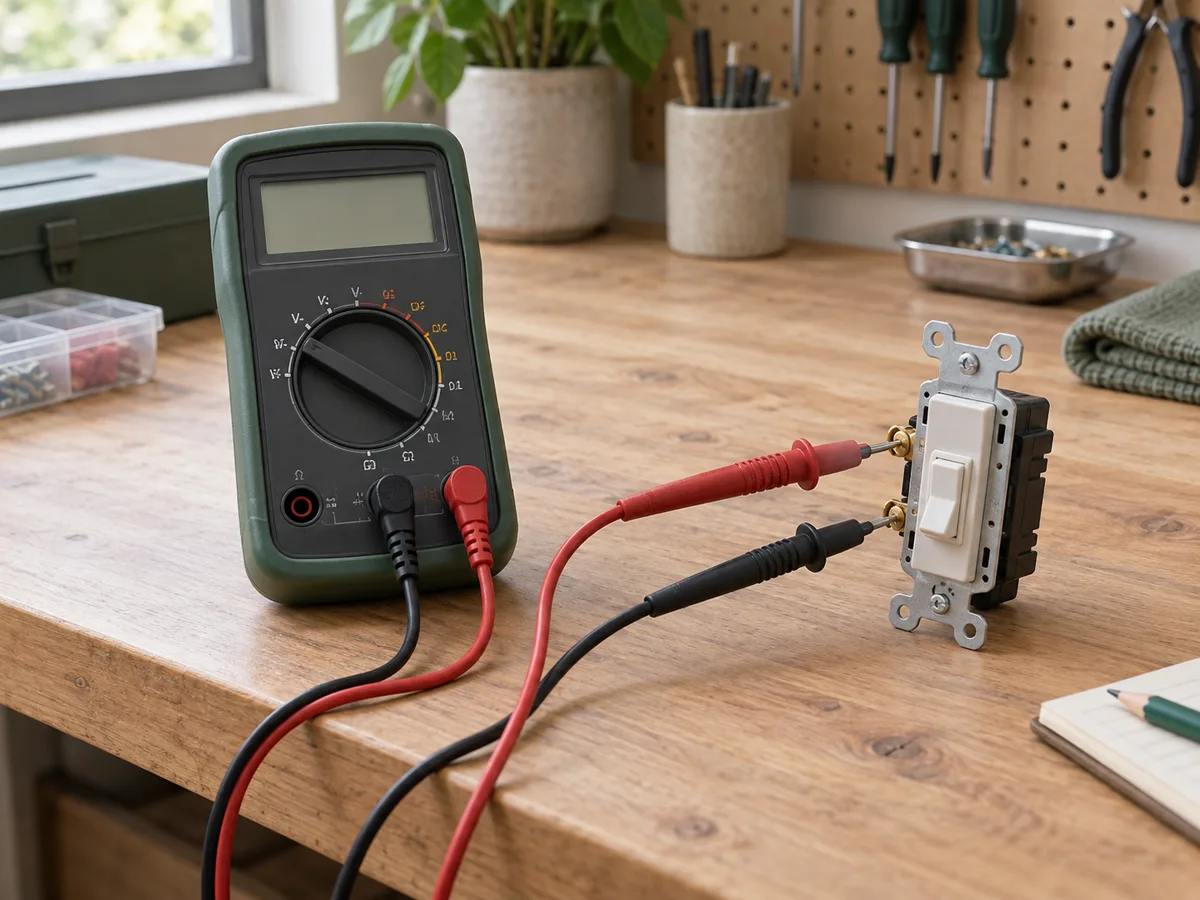 31
Measure voltage, resistance and continuity without confusing the setting, socket or safe working limit.
Learn how to use it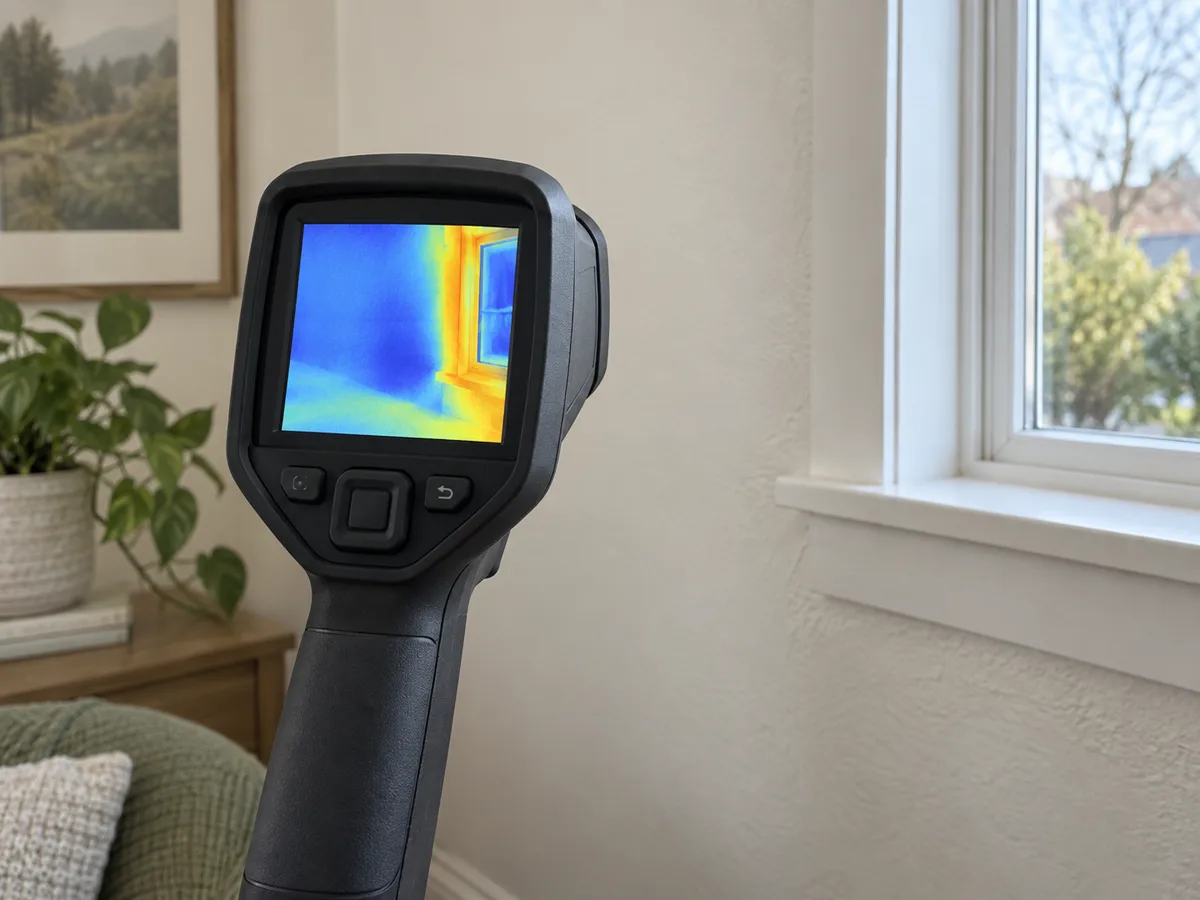 32
Find temperature patterns around insulation, windows, heating loops and equipment without mistaking reflections for defects.
Learn how to use it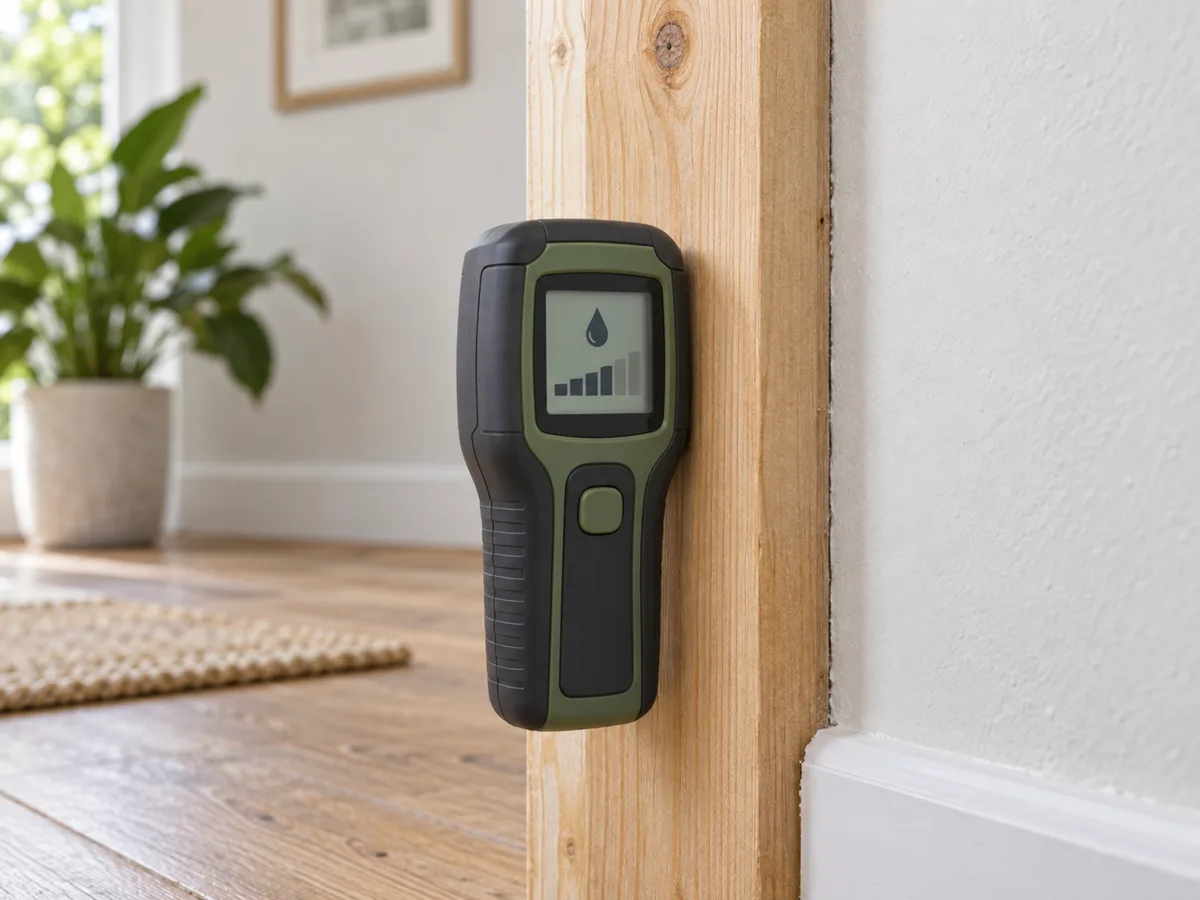 33
Compare damp and dry areas in timber and finishes while avoiding false alarms from metal, density and salts.
Learn how to use it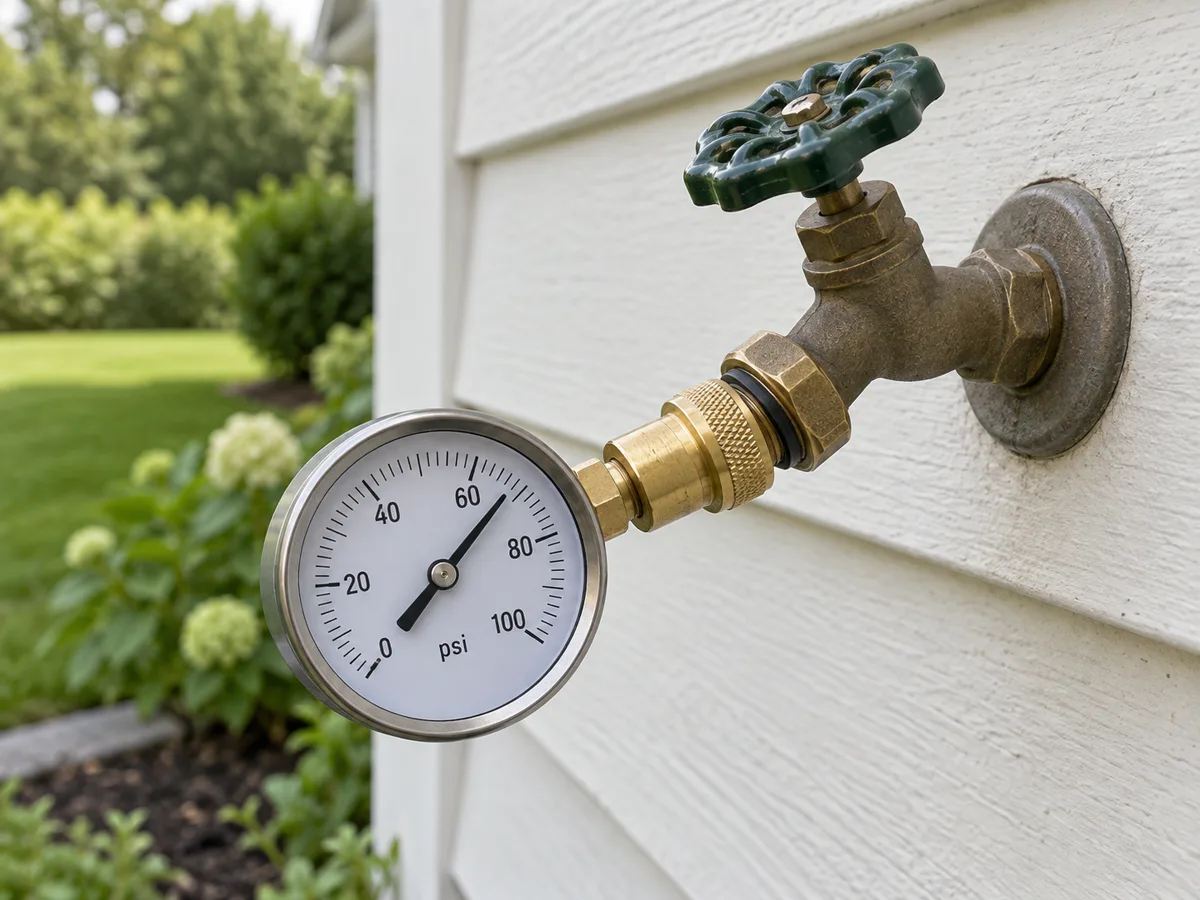 34
Measure static and flowing pressure at a hose connection and separate pressure problems from flow restrictions.
Learn how to use it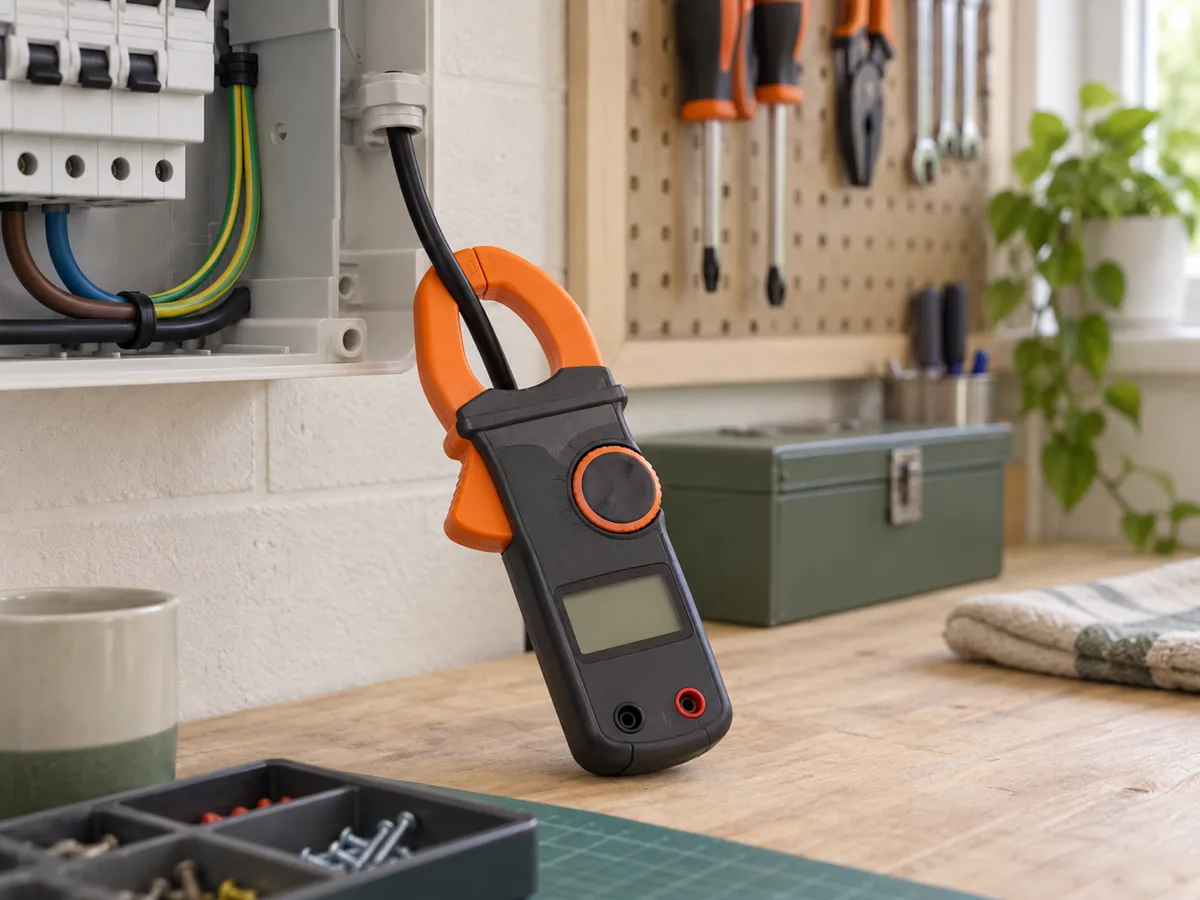 35
Measure current without breaking the circuit and avoid the classic mistake of clamping around the whole cable.
Learn how to use it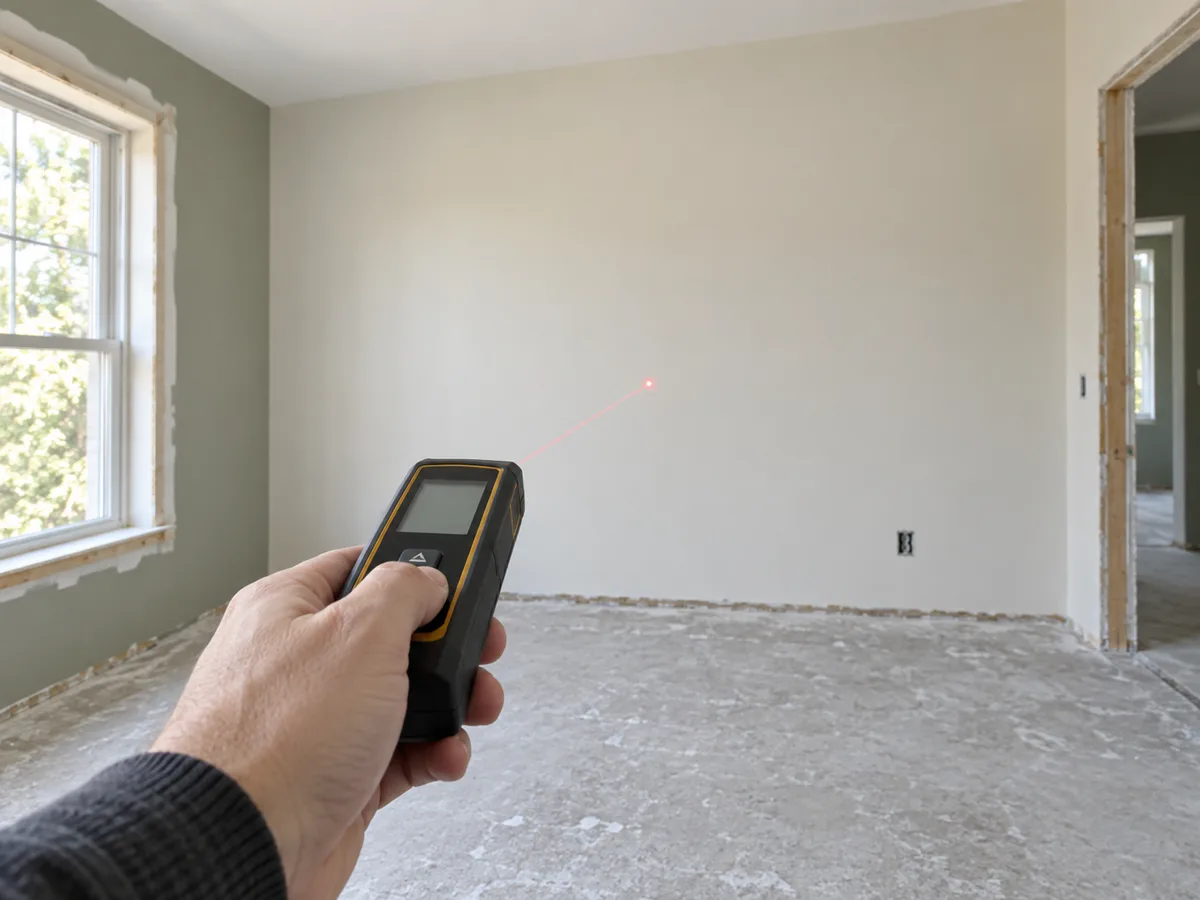 36
Measure rooms, heights and diagonals quickly while knowing when a tape or target plate is more reliable.
Learn how to use it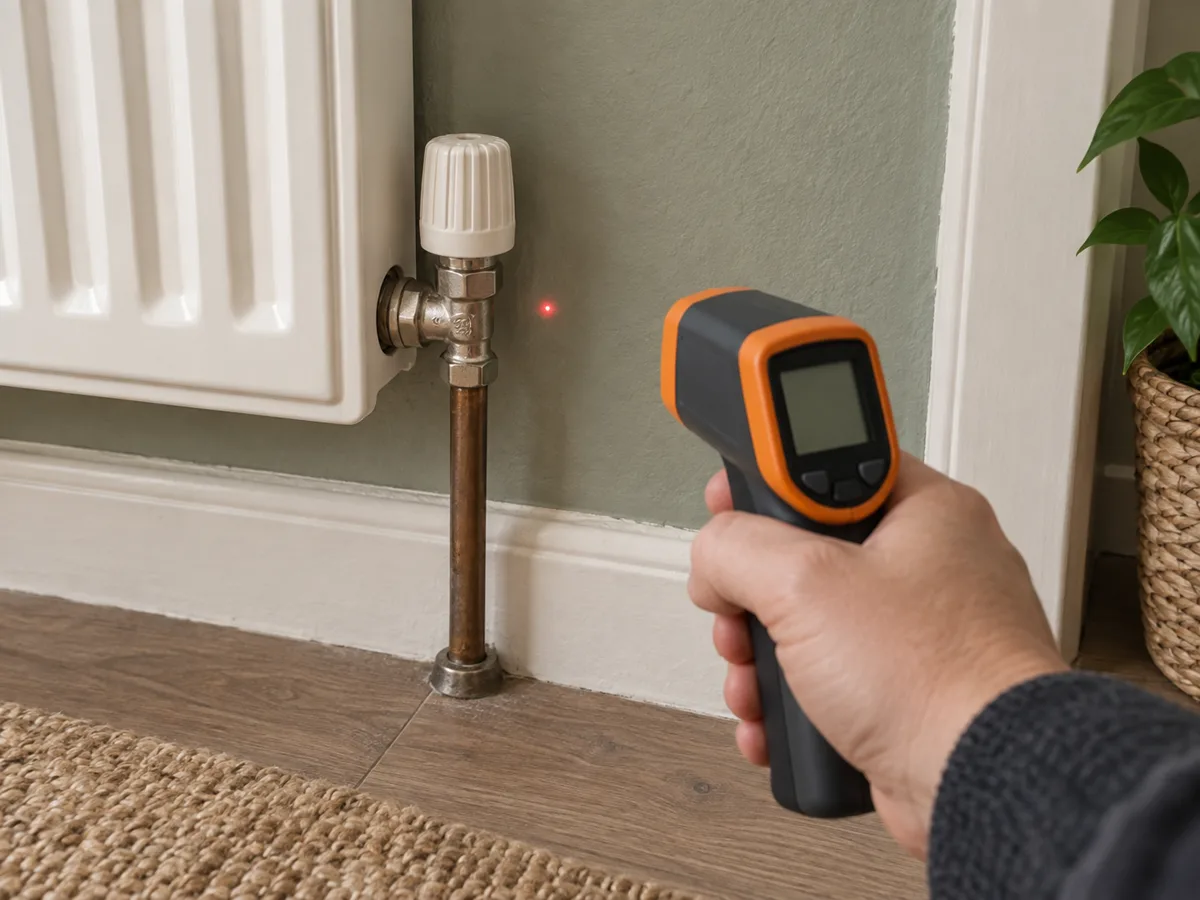 37
Check surface temperatures quickly and understand spot size, emissivity and reflective-surface errors.
Learn how to use it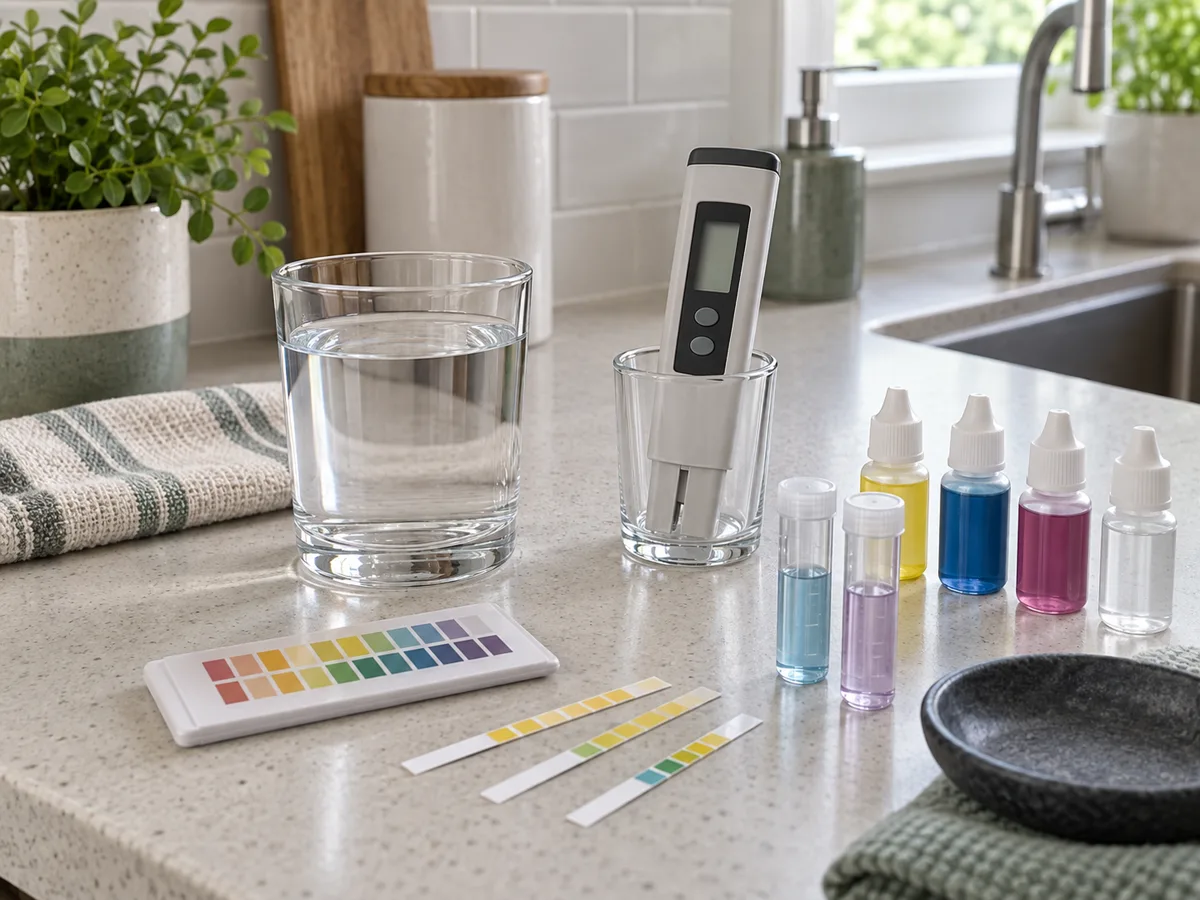 38
Use strips, drop tests and electronic meters for screening without confusing dissolved solids with safety.
Learn how to use it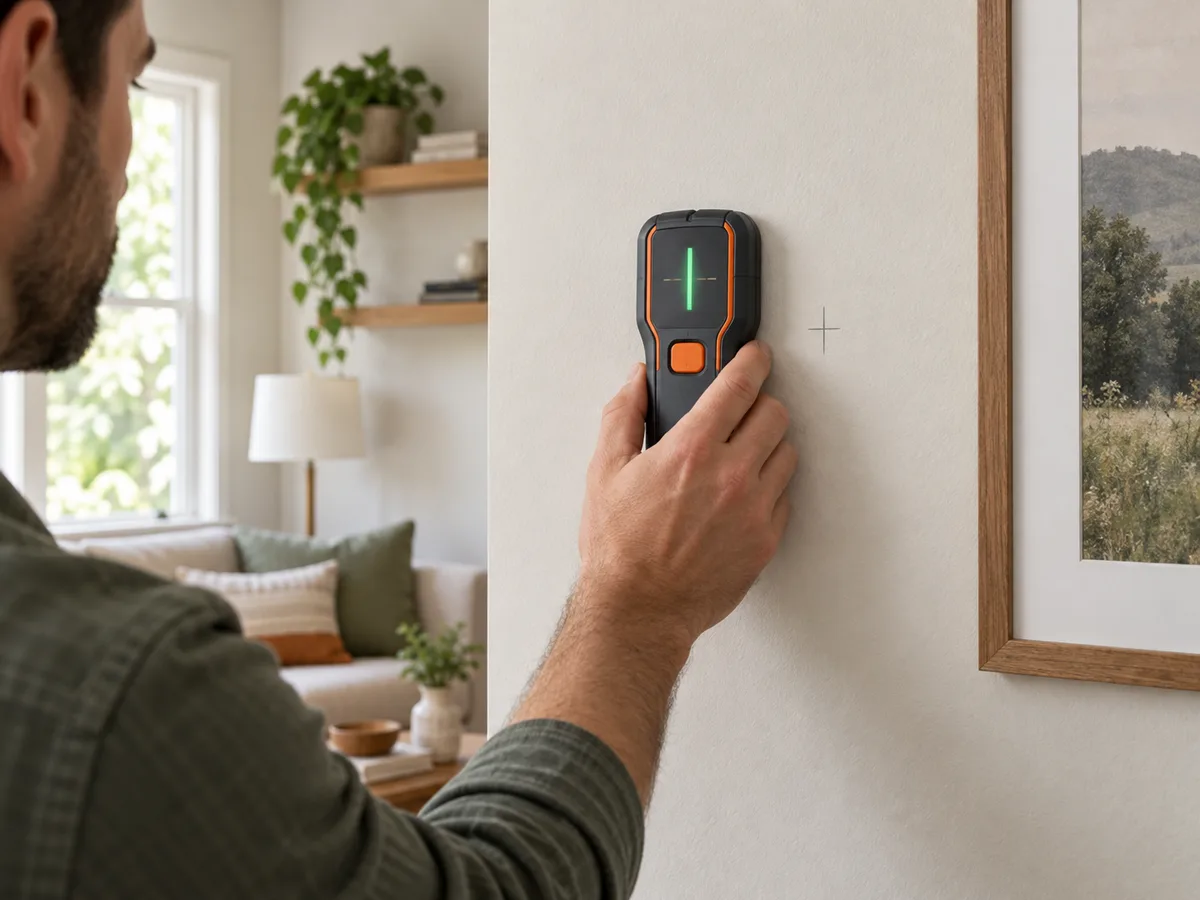 39
Map likely studs, metal and live conductors before drilling—without treating one detector signal as a guarantee.
Learn how to use it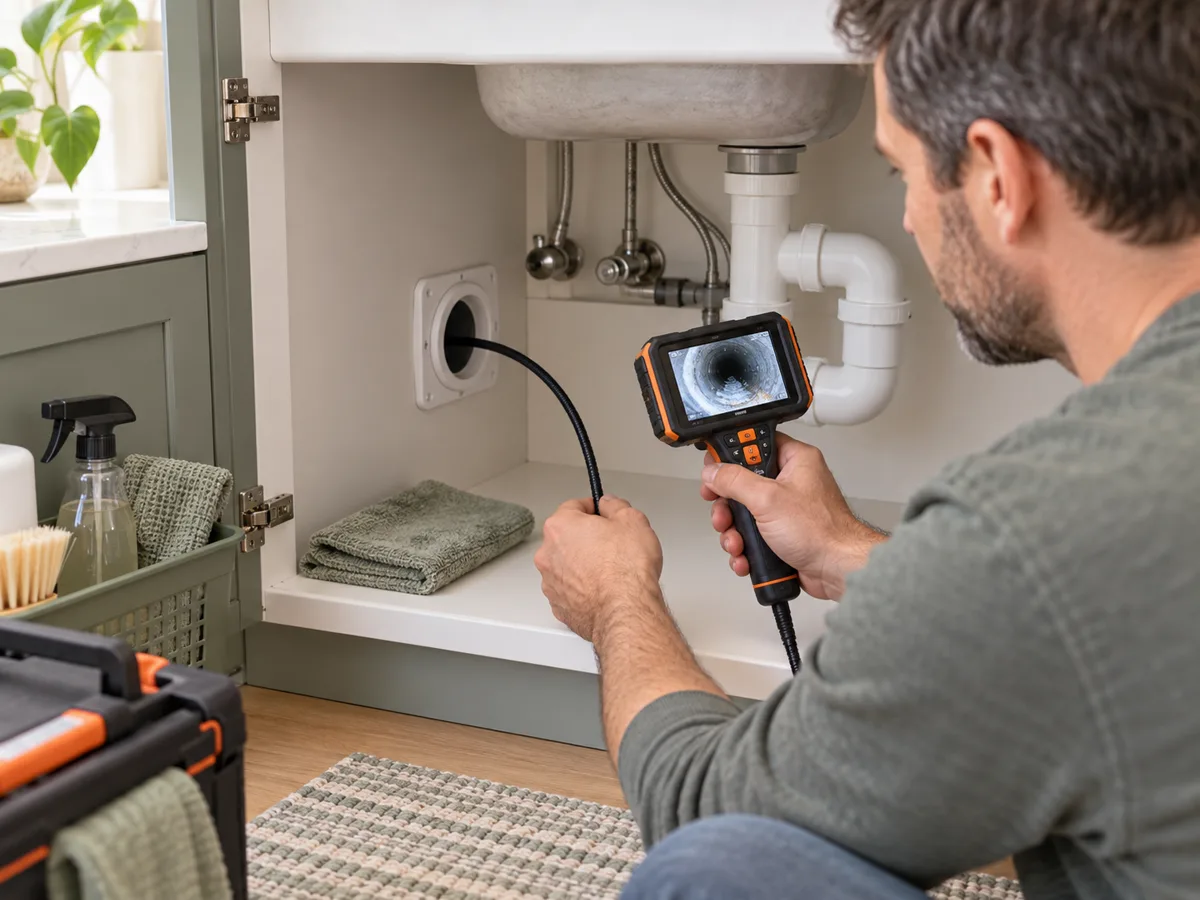 40
Look into accessible cavities and pipes while keeping orientation, focal distance and contamination under control.
Learn how to use it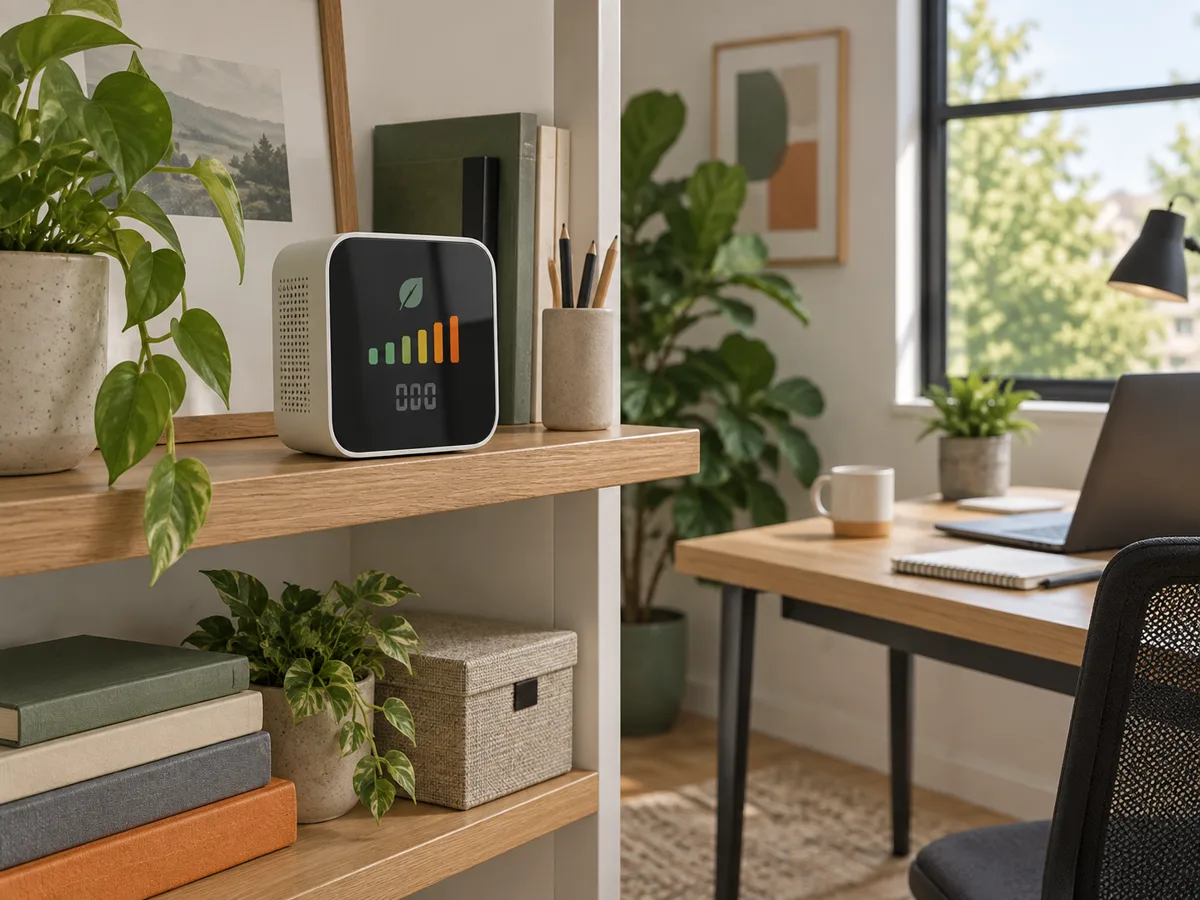 41
Use carbon dioxide trends to understand occupied-room ventilation without confusing CO₂, carbon monoxide and total air quality.
Learn how to use it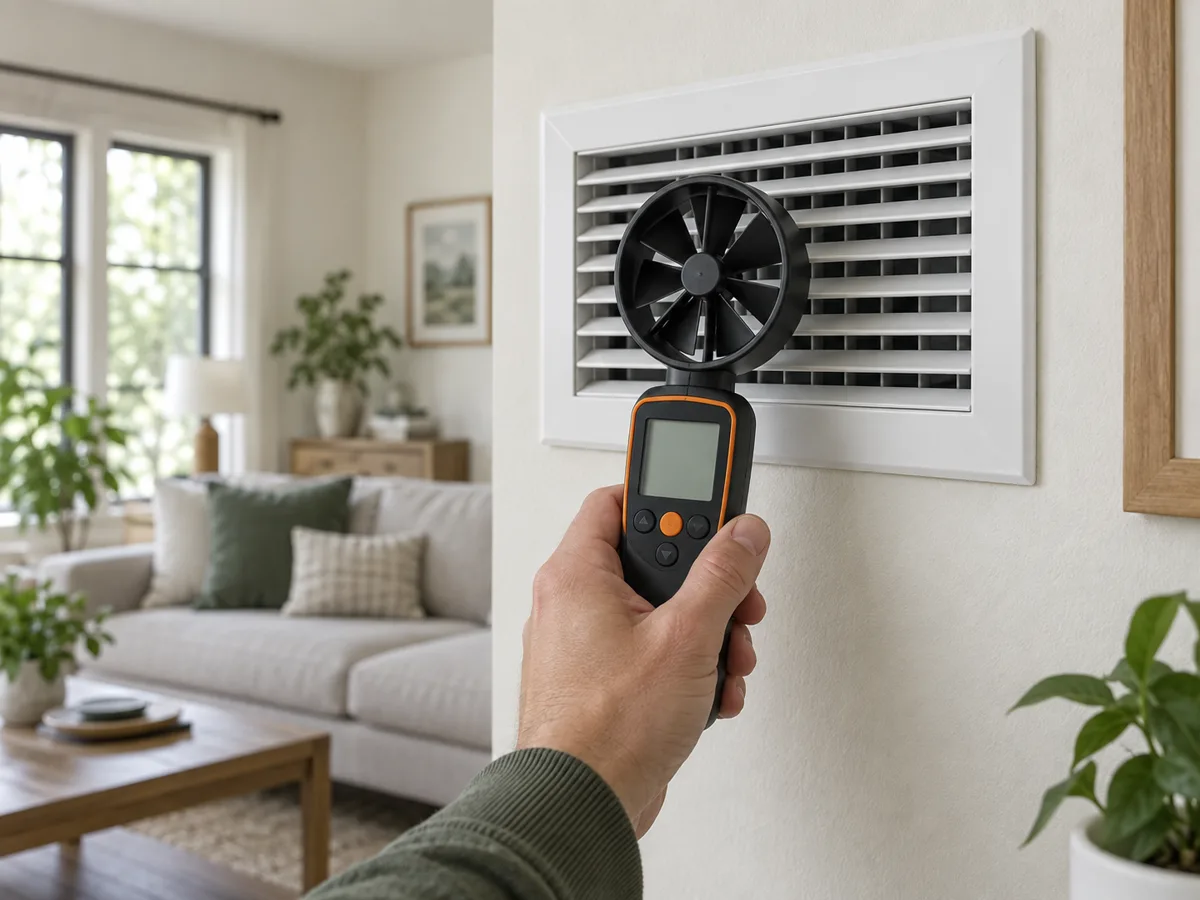 42
Measure air speed across a grille and turn a careful area average into an approximate ventilation flow.
Learn how to use it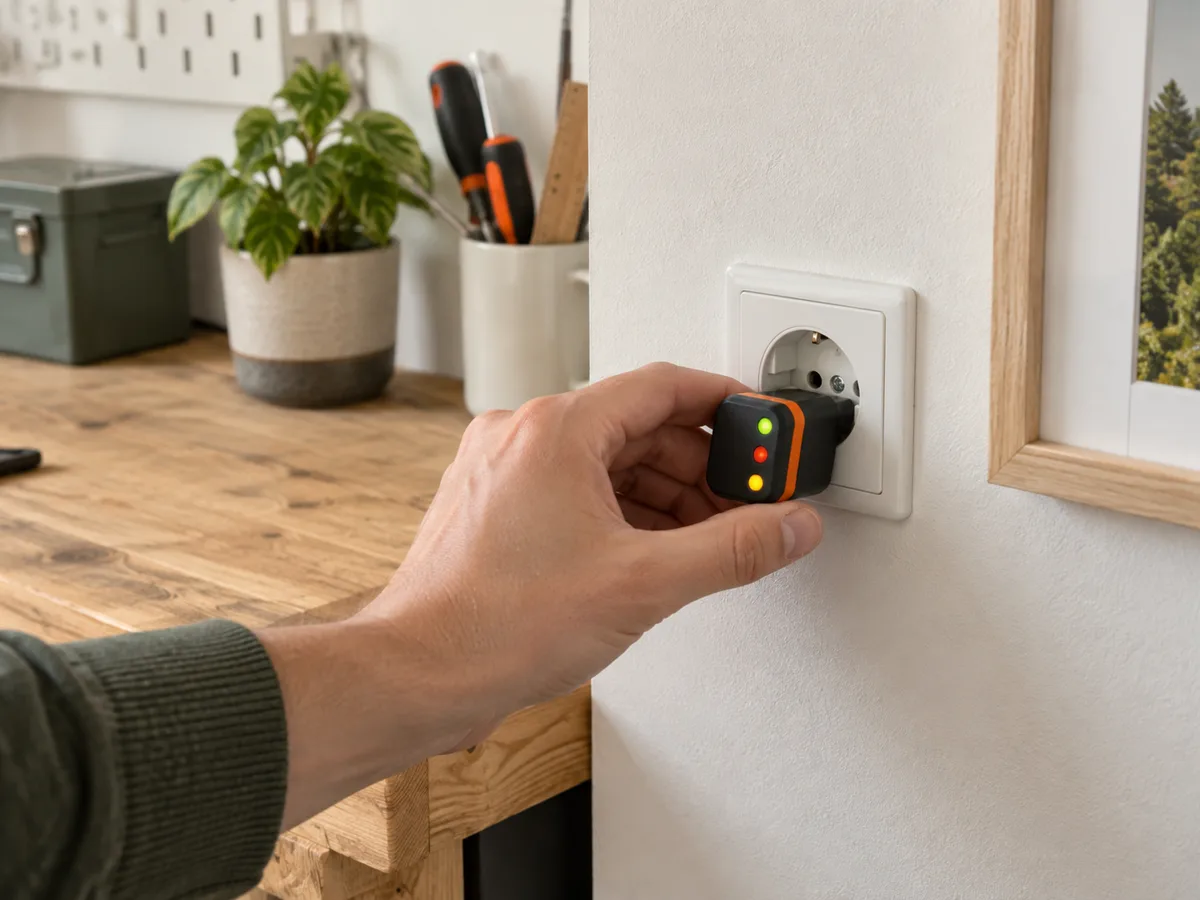 43
Screen an energized socket for a few common wiring faults without opening the outlet.
Learn how to use it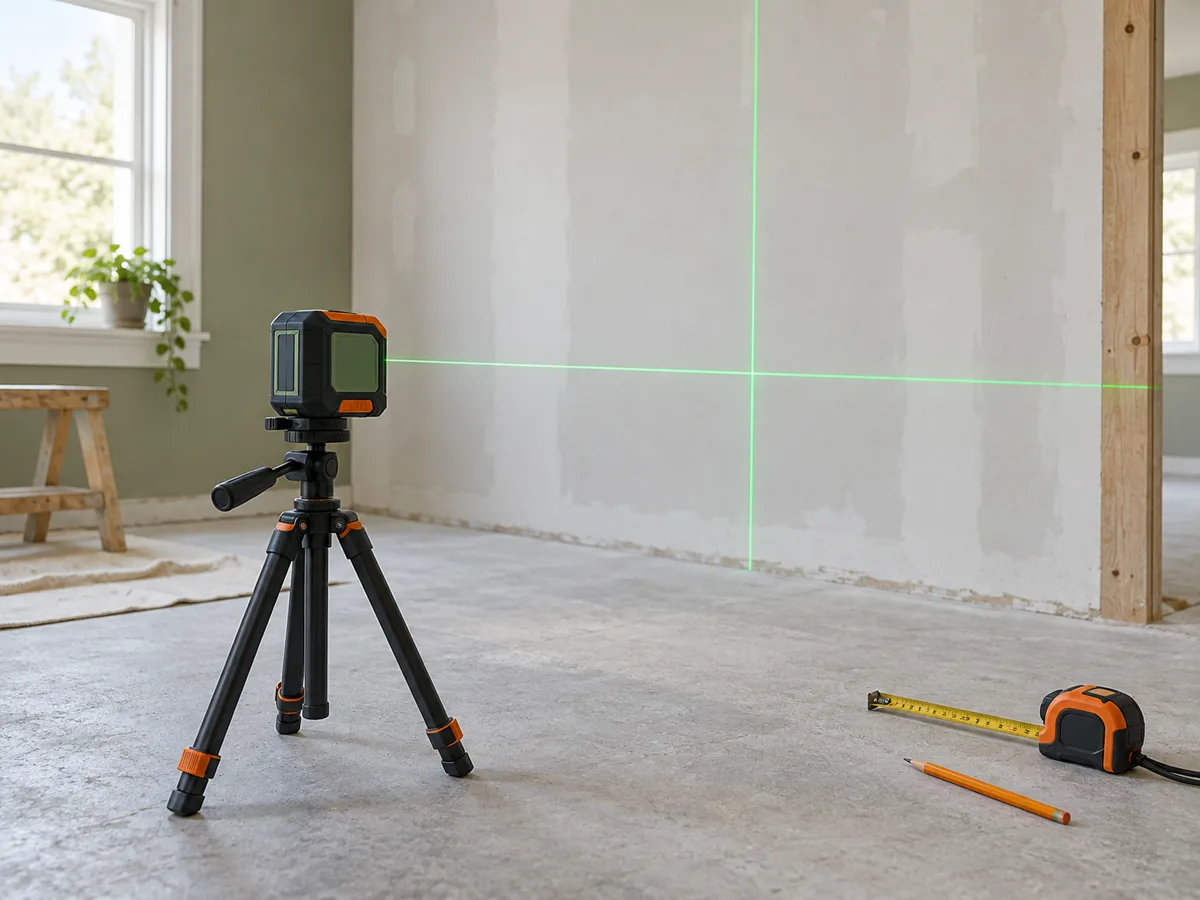 44
Project repeatable horizontal and vertical references for cabinets, tile, partitions and services.
Learn how to use it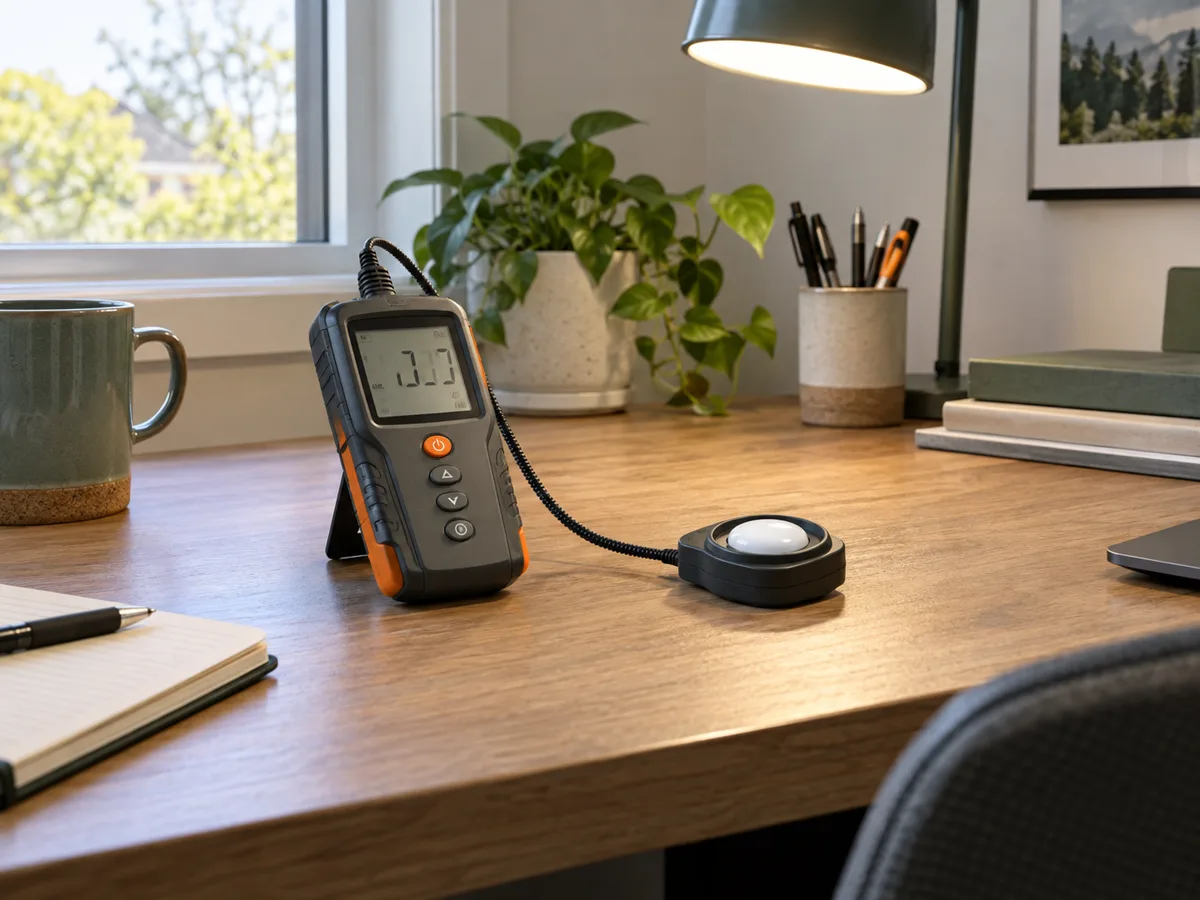 45
Measure illuminance on a work surface and compare lighting changes with repeatable readings.
Learn how to use it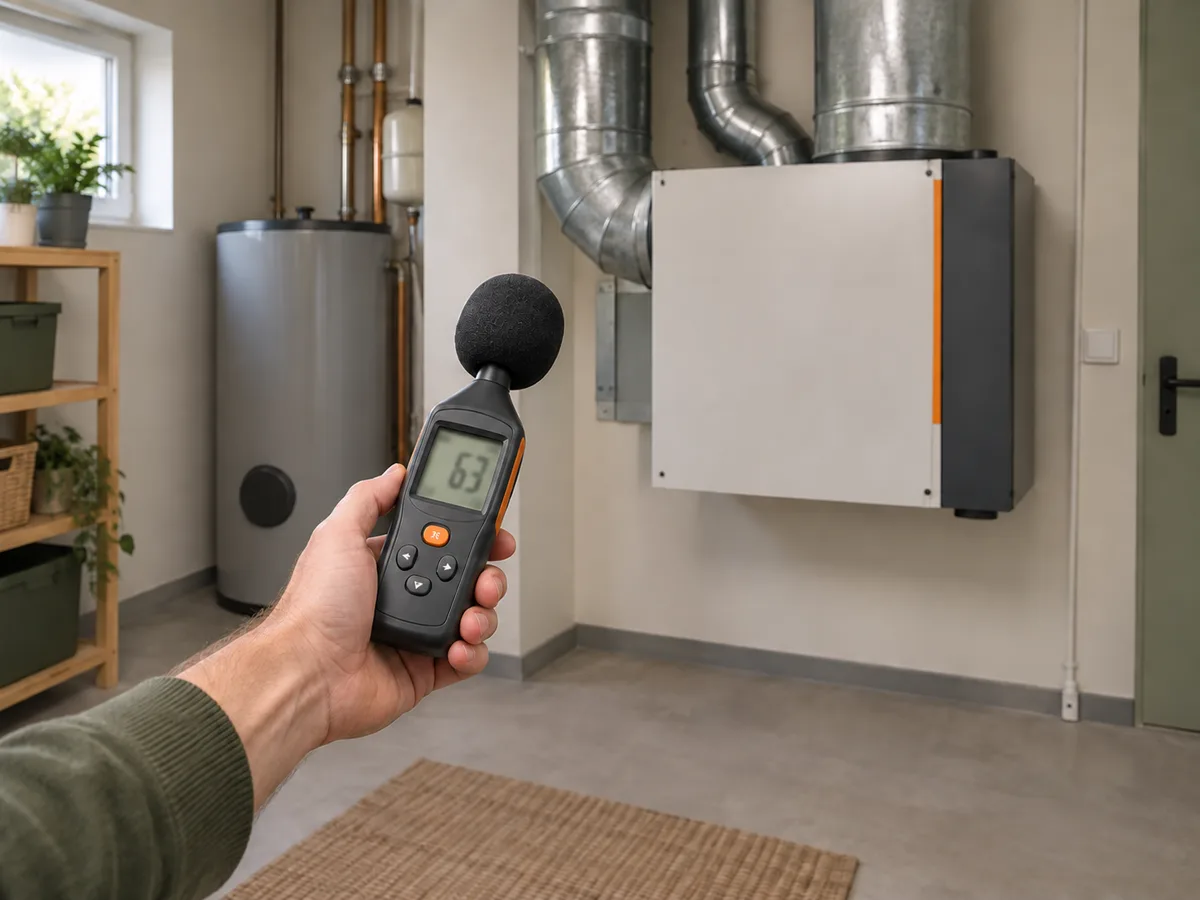 46
Compare equipment and room noise with the correct weighting, response and measurement position.
Learn how to use it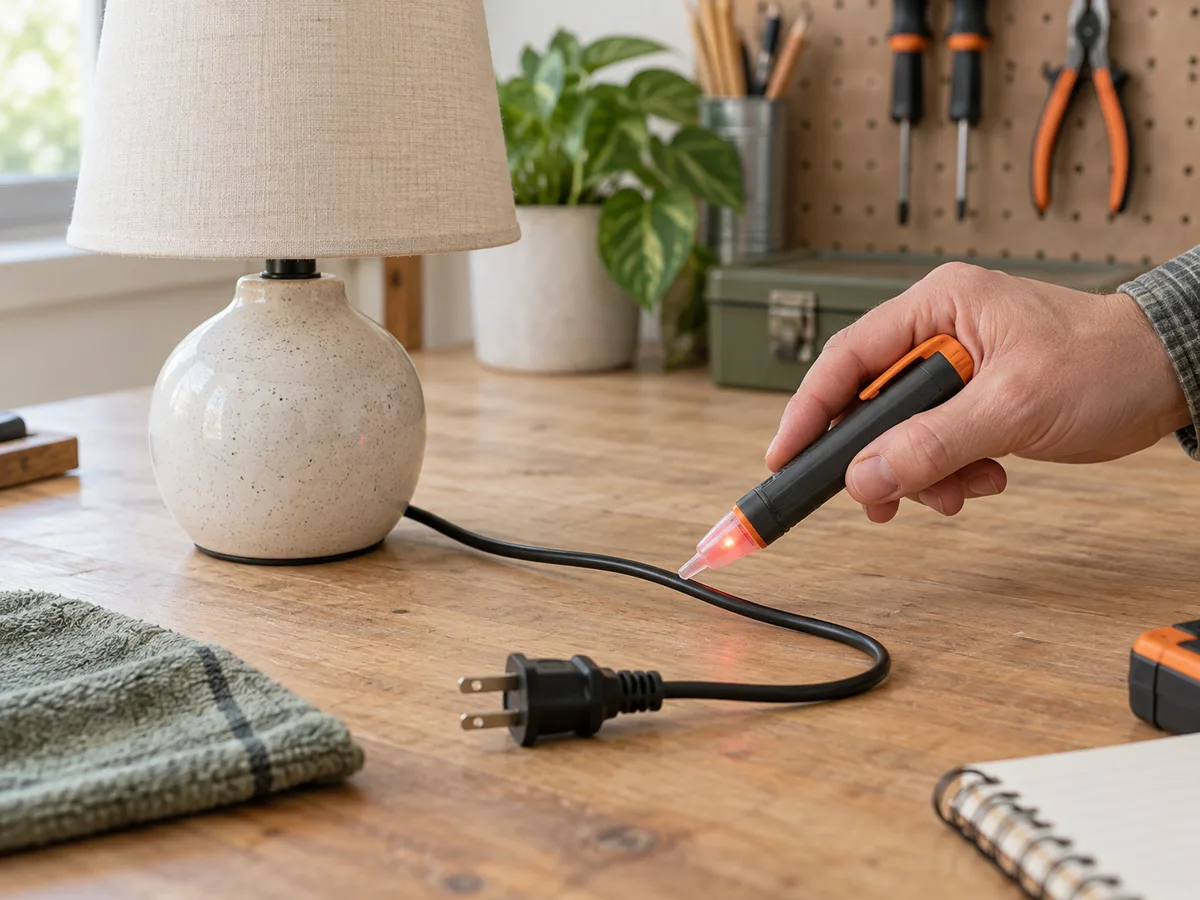 47
Screen intact cables and outlets for an AC field; no indication is not proof that a circuit is safe to touch.
Learn how to use it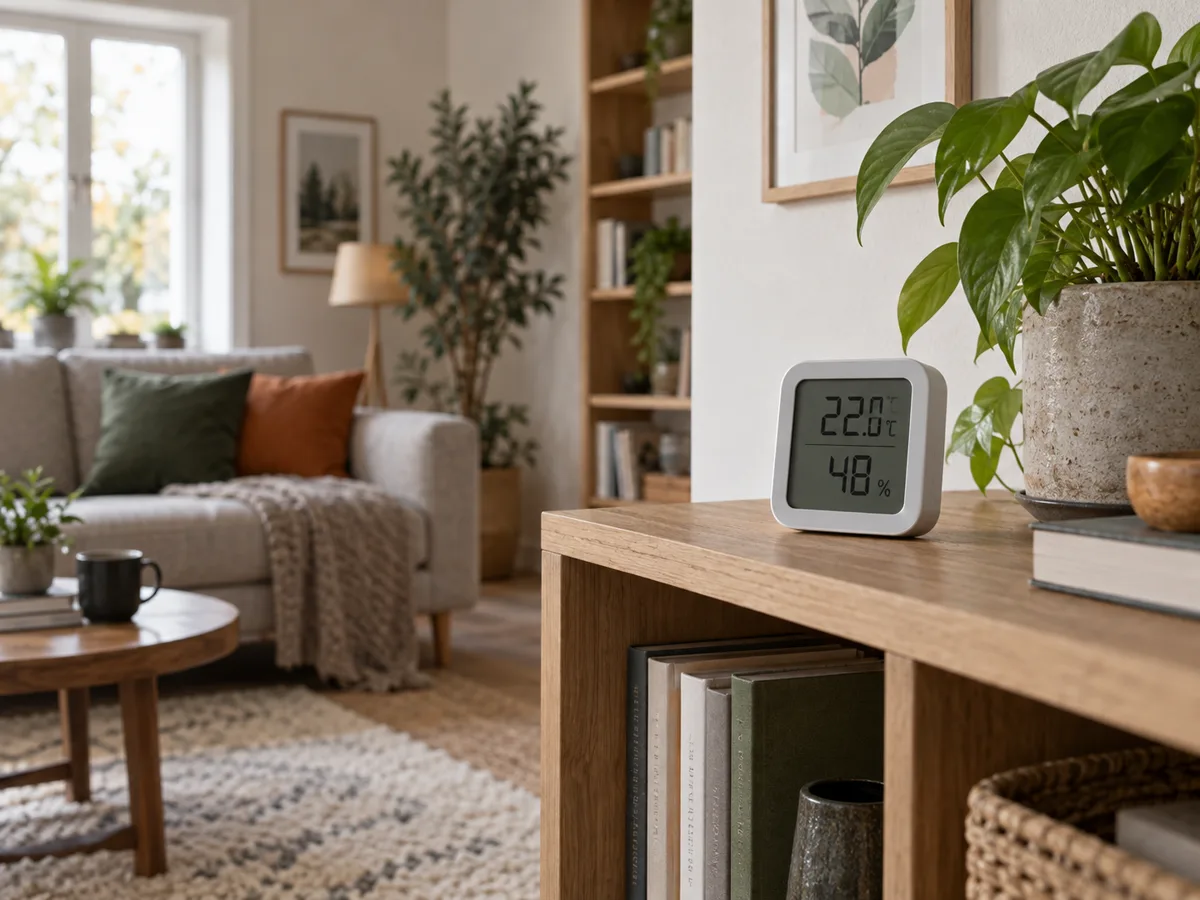 48
Track room temperature and relative humidity without mistaking one convenient location for the whole home.
Learn how to use it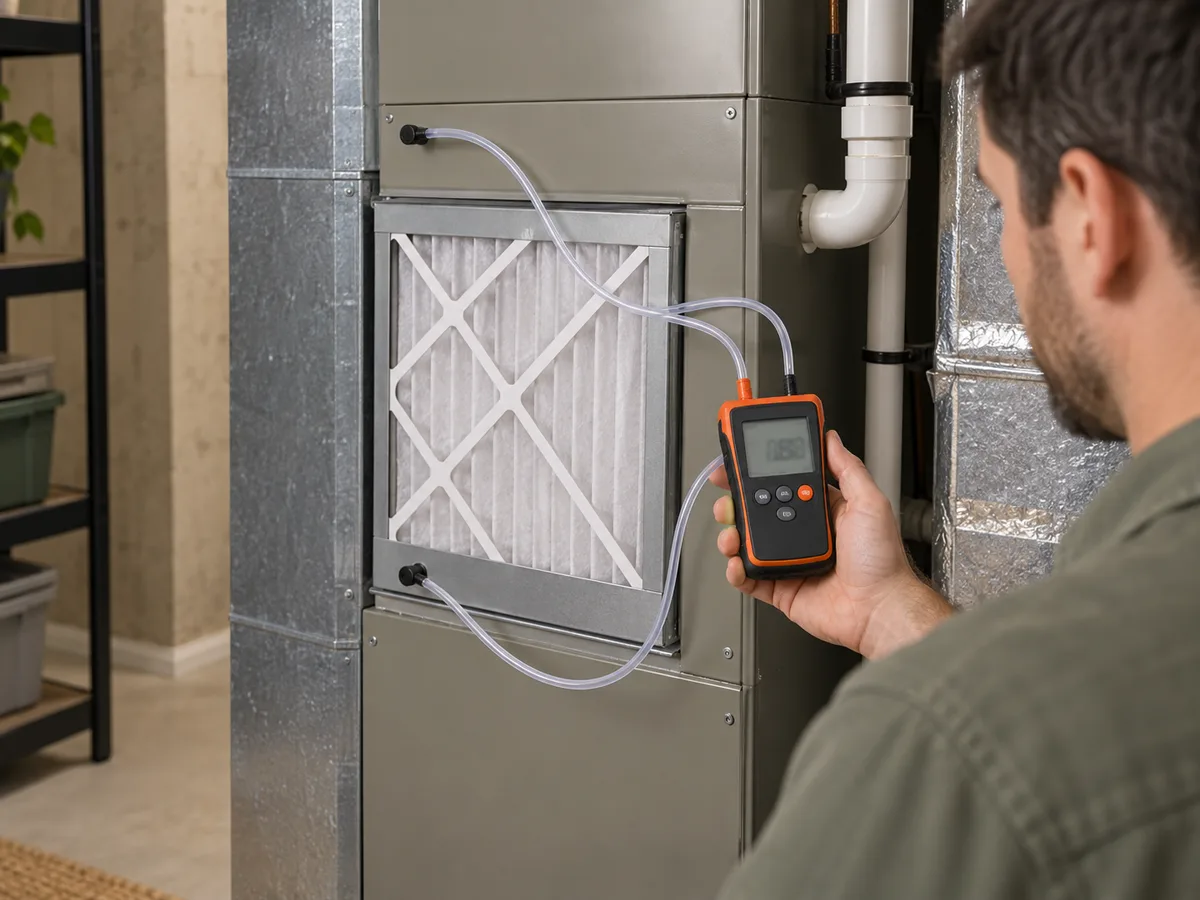 49
Compare two pressure points to screen filters, ducts and room pressure without confusing pressure with airflow.
Learn how to use it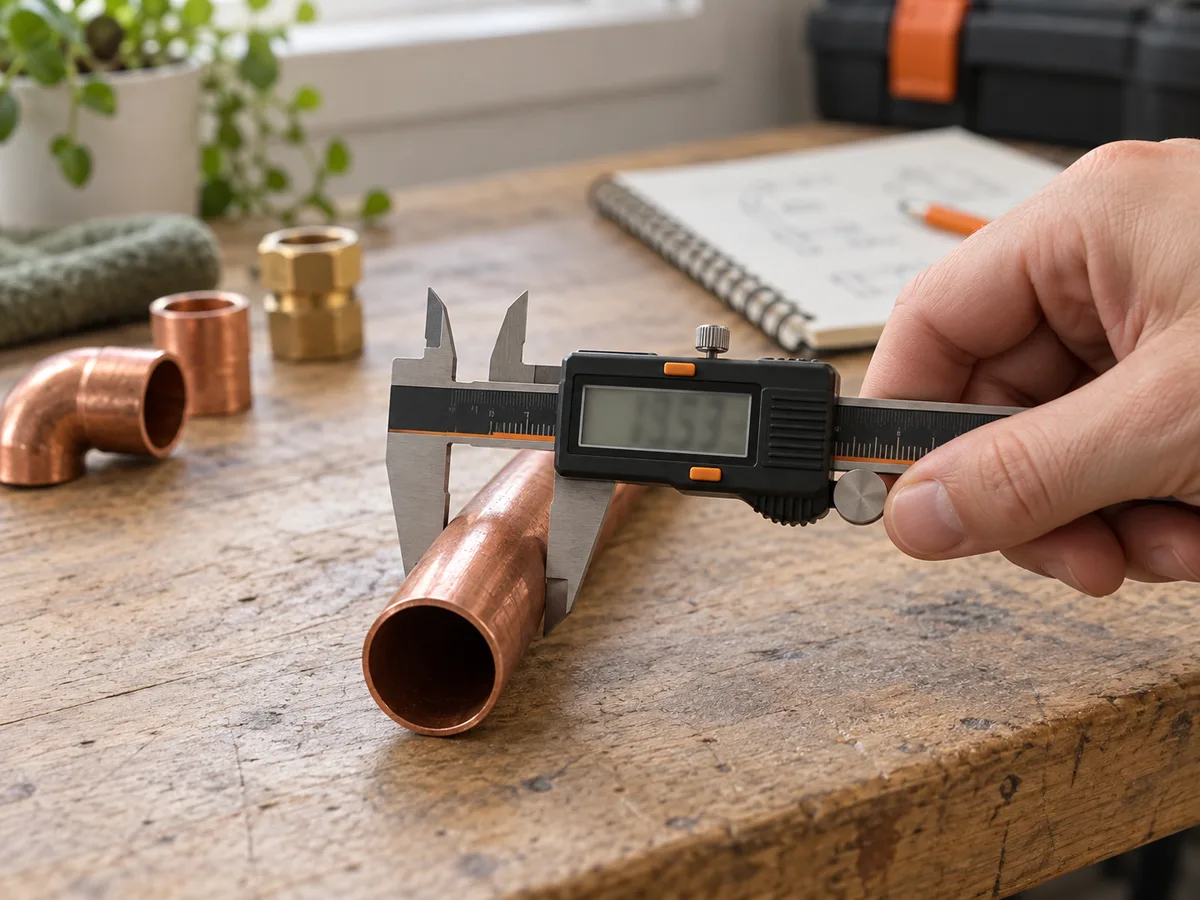 50
Measure outside, inside, depth and step dimensions without turning display precision into false accuracy.
Learn how to use it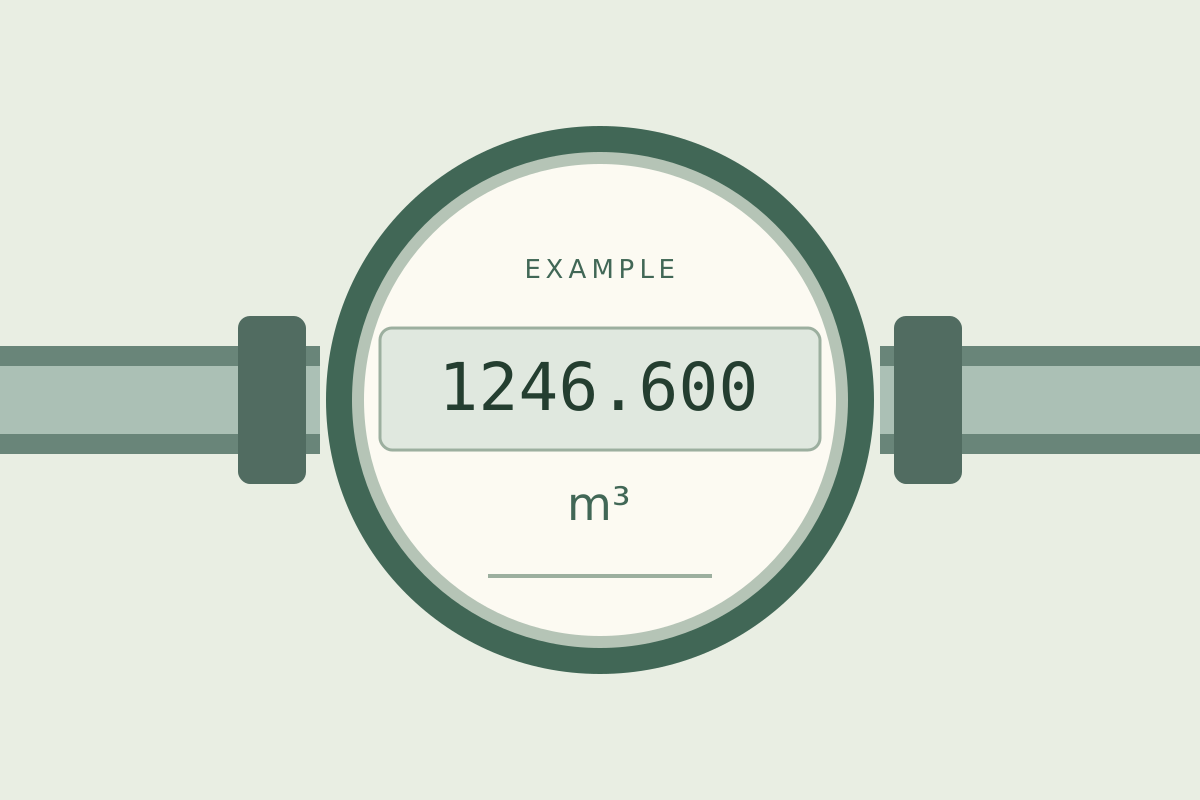 51
Identify the cumulative register, preserve its units and decimals, and build a usable record without mistaking a short observation for a leak diagnosis.
Learn how to use it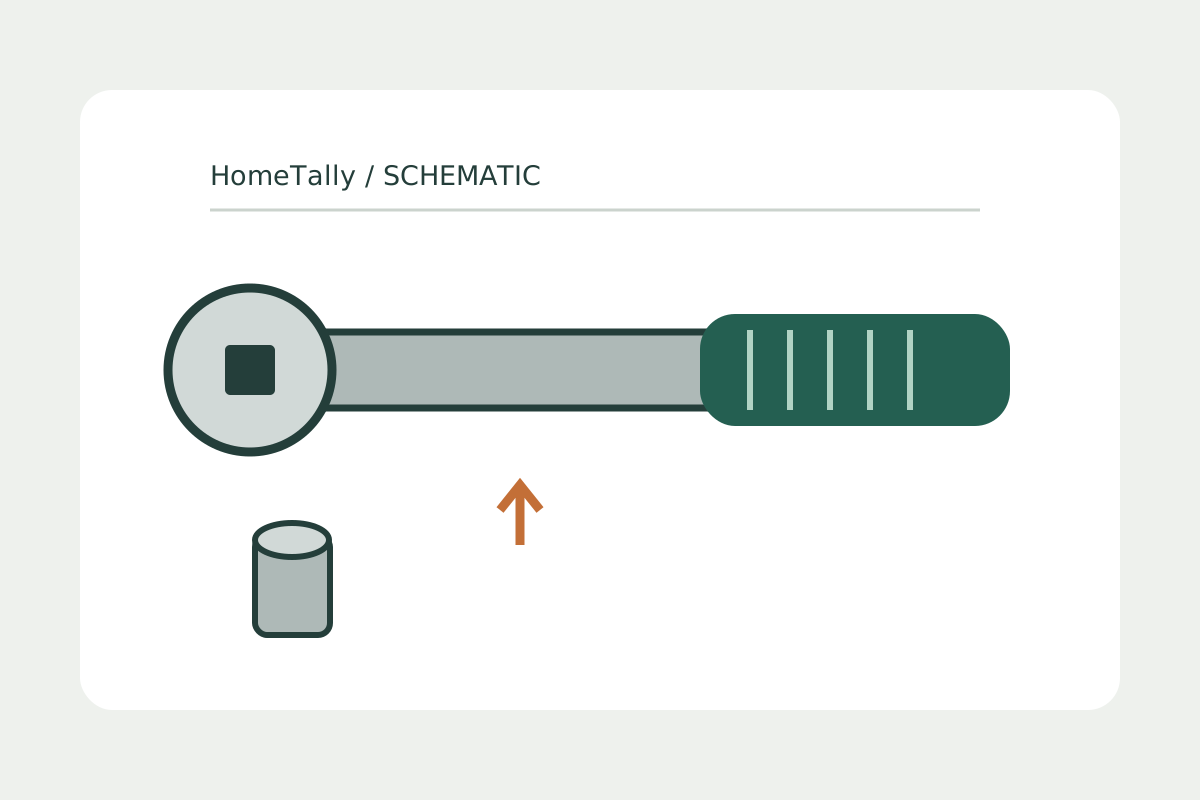 52
Choose the correct range, units and tightening direction, then stop at the signal instead of treating a click as proof of a sound joint.
Learn how to use it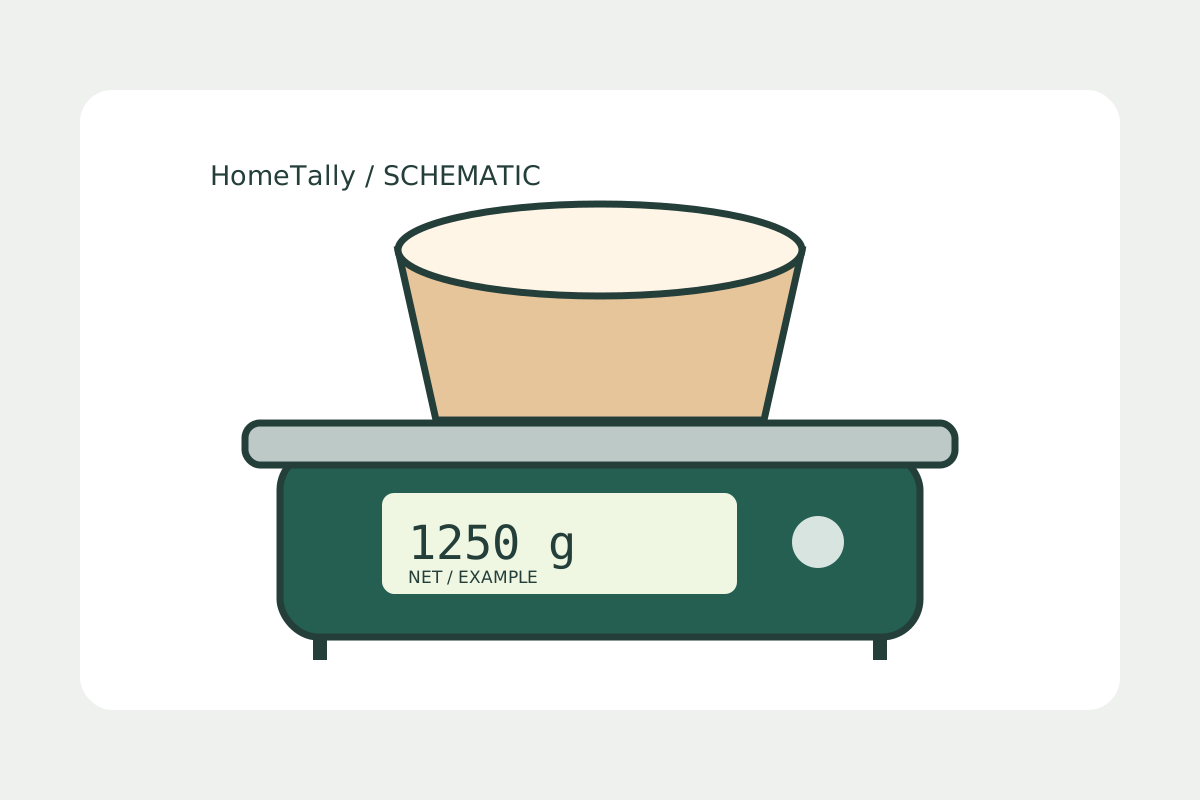 53
Weigh a permitted small batch with a tare record, enough capacity and a useful measuring increment; do not confuse mass with volume or resolution with accuracy.
Learn how to use it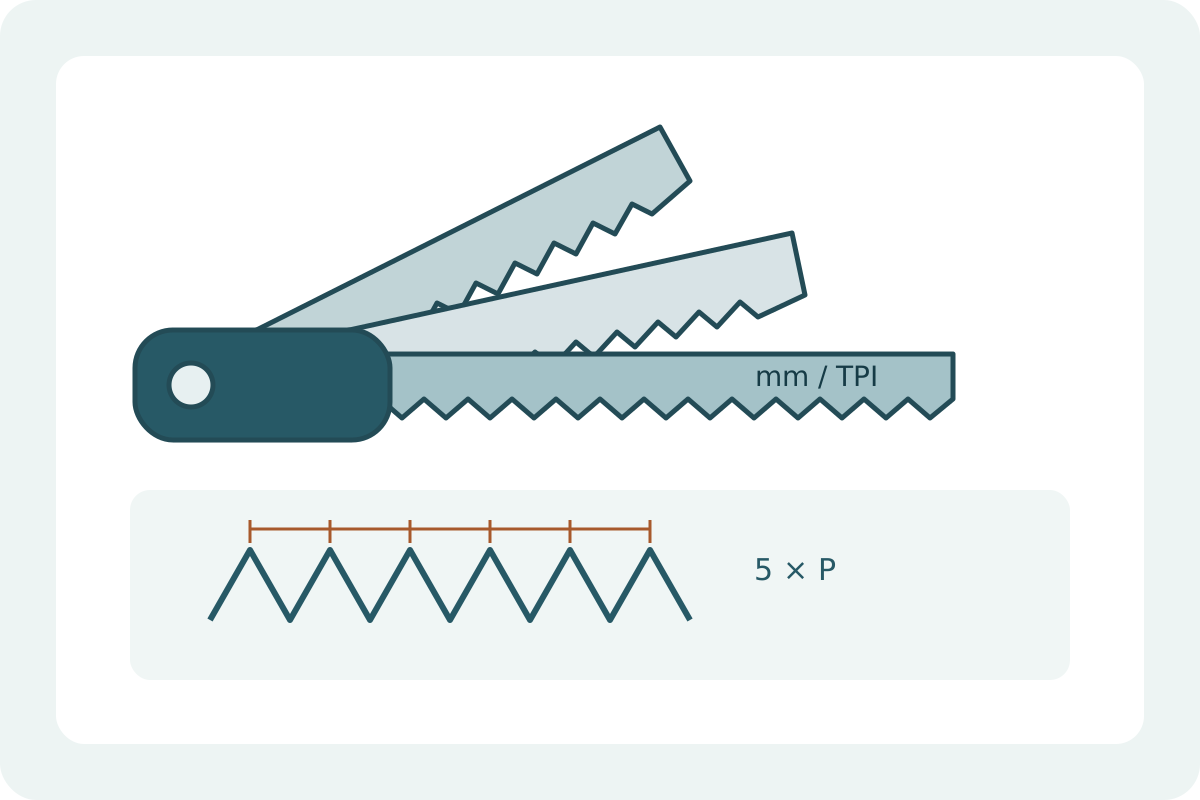 54
Compare a loose part with a marked leaf, distinguish millimetres from threads per inch, and keep pitch separate from diameter and connection compatibility.
Learn how to use it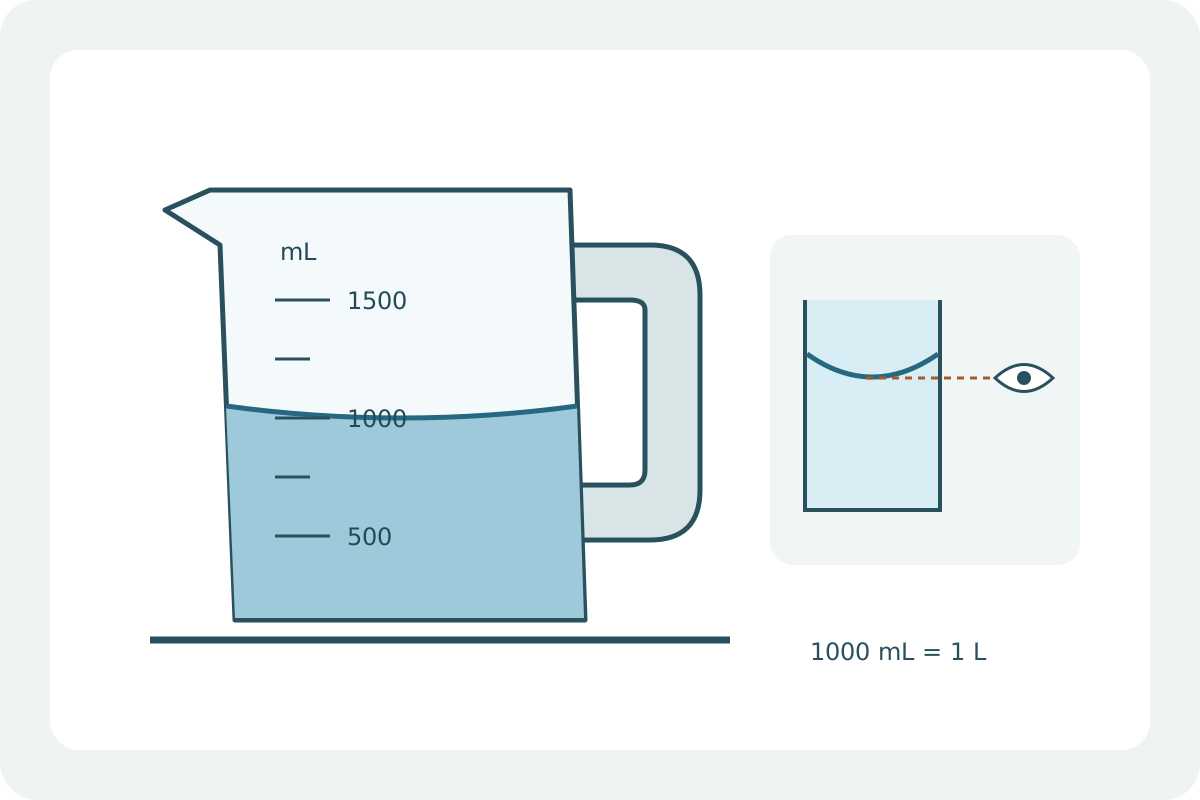 55
Choose a useful scale, read water on a level support and distinguish contained volume, delivered water and a timed collection.
Learn how to use it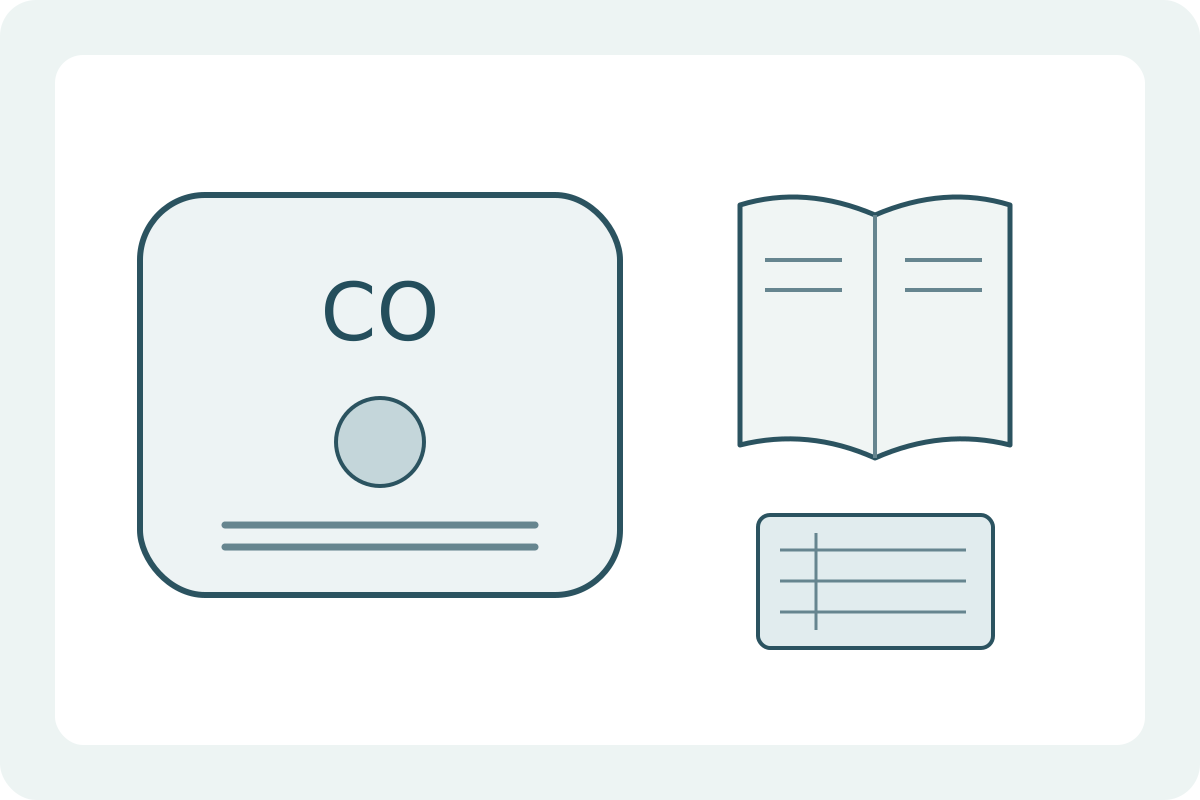 56
Distinguish a CO alarm from a CO₂ monitor, keep the correct manual and replacement record, and never use a quiet alarm or a self-test as proof of safe air.
Learn how to use it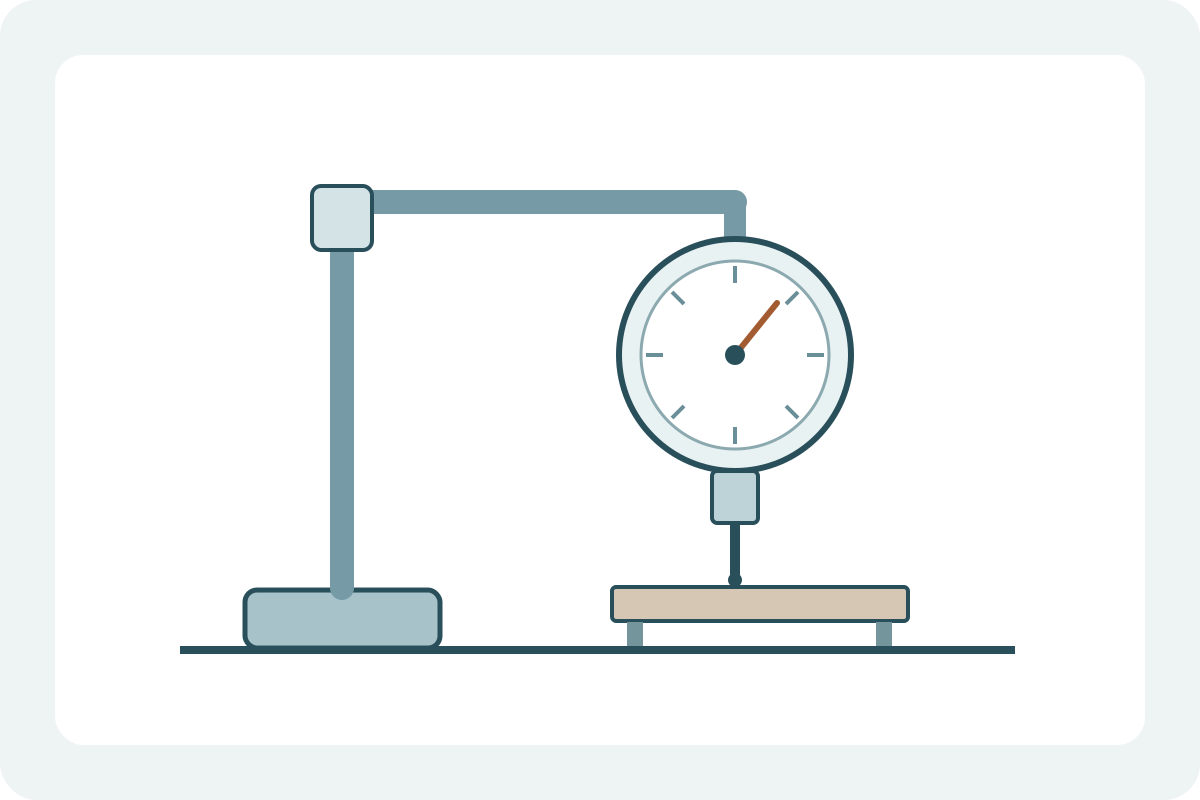 57
Read a plunger indicator as a relative contact measurement, keep its fixture and reference repeatable, and do not mistake a zeroed dial for calibration.
Learn how to use it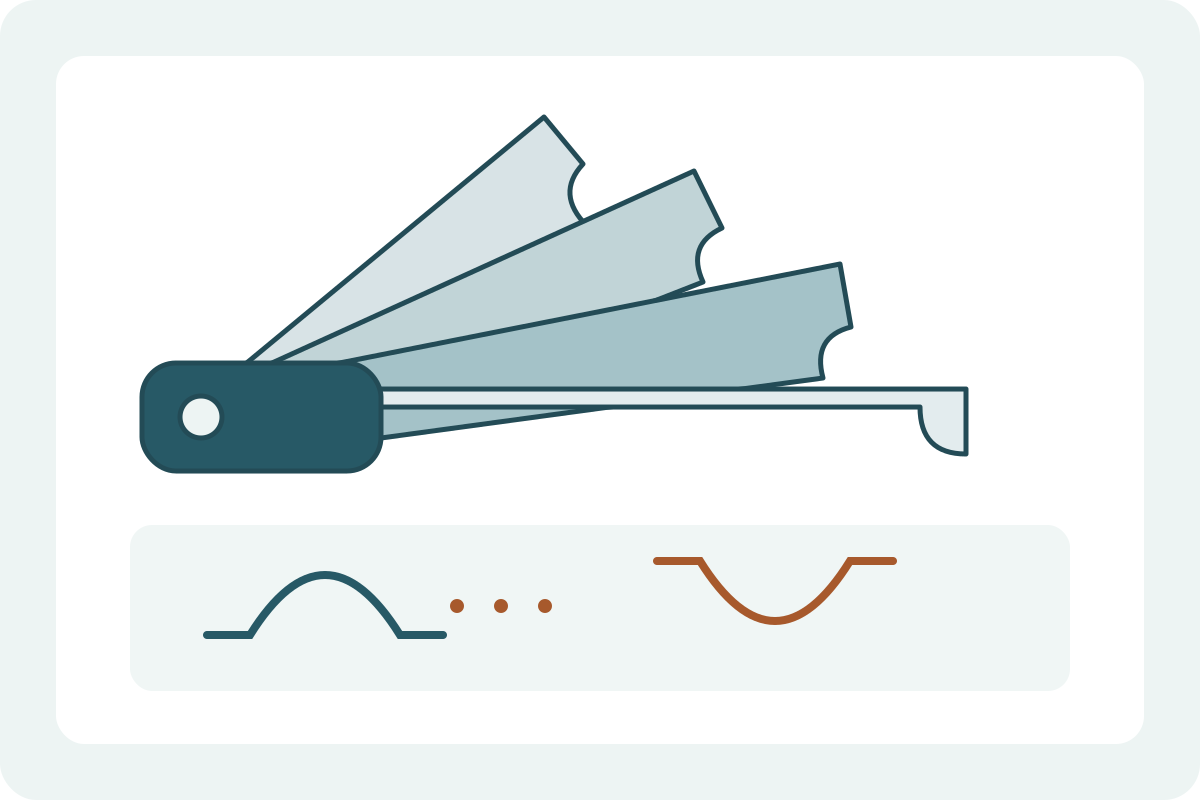 58
Choose the correct concave or convex leaf, compare the visible profile of a loose part and record the closest available match without calling it an exact radius.
Learn how to use it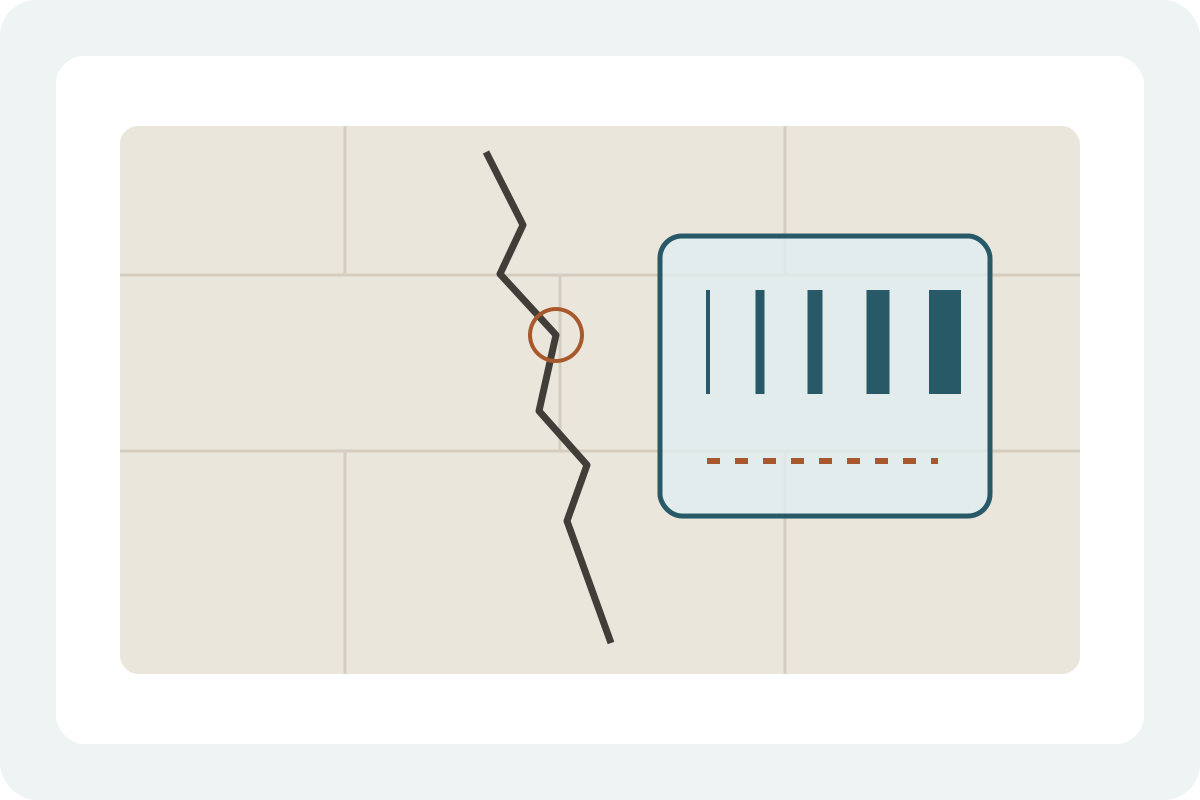 59
Compare an accessible visible crack with labelled line widths, keep the exact point and method in the record, and do not turn one width into a safety or movement verdict.
Learn how to use it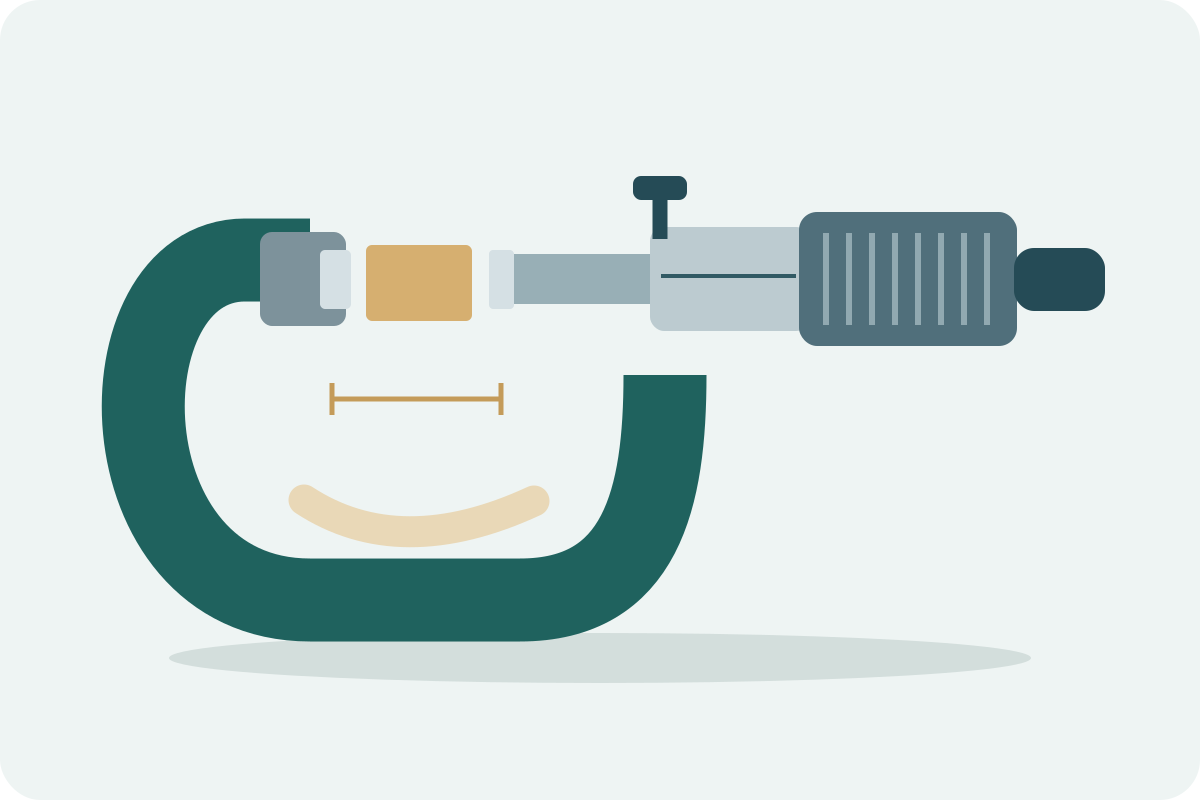 60
Measure a loose rigid sample between flat faces, check the reference and record location, units and repeat readings before comparing a replacement part.
Learn how to use it 61
Identify the actual alarm function, follow its own test procedure and keep a replacement record without guessing from a chirp, light or purchase date.
Learn how to use itA REPEATABLE FIELD METHOD
Not a product catalogue: each article connects the instrument, the measurement and the decision you need to make.
Start with the question the instrument can actually answer.
Prepare, measure and record the conditions in the same order.
See common causes, checks and corrective actions.
Know when the next step belongs to a qualified professional.