Wells & water/ CALCULATOR

Outlet flow from collected water and elapsed time

Convert one measured water volume and collection interval into L/min, L/s and L/h. This is an average at that outlet under the recorded conditions, not pressure or sustainable well yield.

Tools & meters
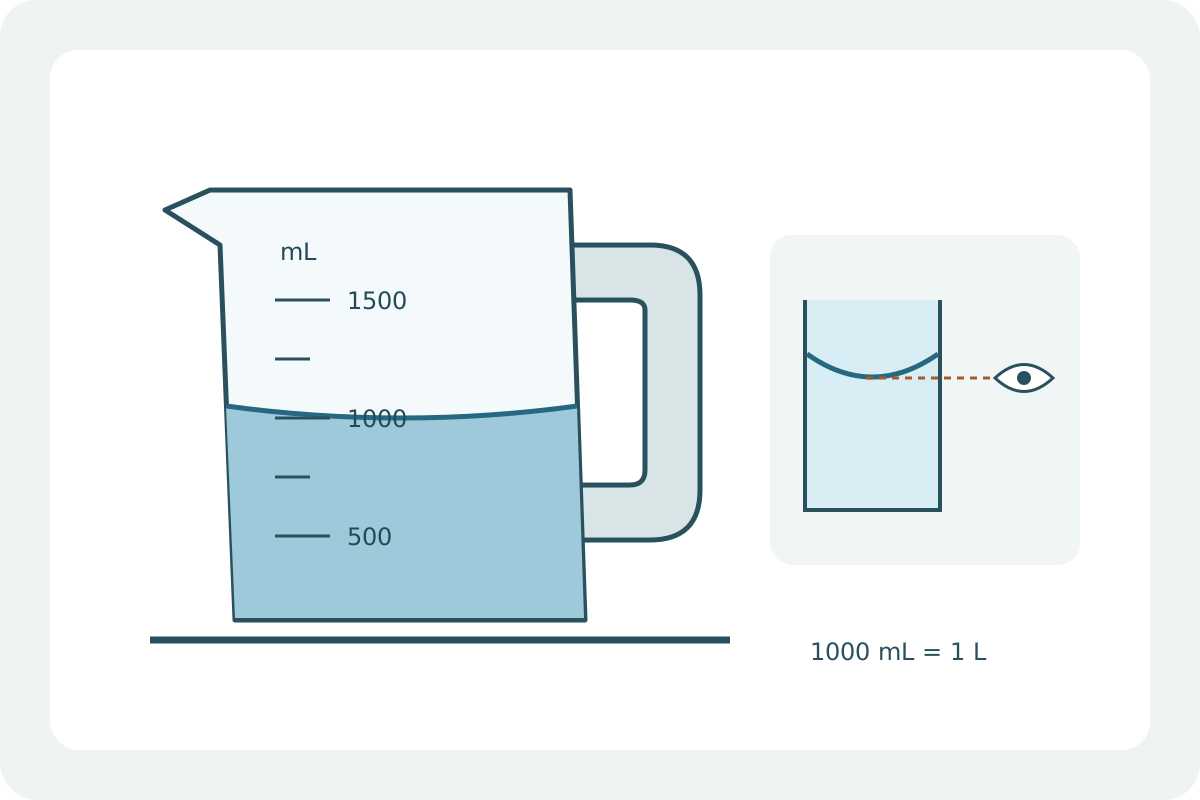
Read the water collected during the timed interval, not the bucket’s nominal capacity. Convert mL to L first; 6000 mL is 6 L. Exclude starting water and reject spilled or incompletely captured trials.
Elapsed seconds for that same volume; 00:30 means 30 s, not 0.30 min. Use a stable interval you can time safely without overflow.
Average outlet flow

12.00 L/min

Same flow per second

0.200 L/s

Same flow per hour

720.0 L/h

Positive collected litres and elapsed seconds for the same complete interval. Average outlet delivery under the recorded condition only; no pressure, potability, pump curve, well-yield, legal compliance or certified accuracy assessment. No allowance for spills, missed flow or timing error. Repeats are not automatically pooled.

Tools for these measurements

Prepare the measurements with these instrument guides.

FROM ESTIMATE TO ACTION

Use the result, not just the number.

01

Choose a safe, observable outlet

Use an accessible cold-water outlet, a clean stable graduated container and a timer. Keep the floor dry, avoid electrical equipment and do not lift a dangerously heavy full bucket. Stop if water is hot, access is unsafe or the stream cannot be captured without splashing or overflow. Do not disconnect pipework, adjust pressure controls or remove fittings for this observation. Record the outlet, handle setting, spray mode, any attached hose and other water uses. Keep those conditions unchanged when comparing trials. An installed aerator is part of that outlet condition; a nameplate rating and a household observation are not the same test.

02

Capture the same volume and time interval

EPA’s US WaterSense manual illustrates collection with a container and stopwatch. That verification example is a source for the observation method, not a local legal limit or a claim that this home test earns certification. Start with an empty container or subtract a documented initial volume. After establishing a safely collectable steady stream, time exactly the water entering the container. Read the graduations on a level surface. If water misses the container, the timer starts late or the bucket overflows, retain the reason and repeat; do not correct it by guessing.

03

Use the result within its boundary

The calculator uses one interval. For 6 L in 30 s, V/t = 0.2 L/s, 12 L/min and 720 L/h. Decimal output cannot improve container graduations or human timing. Very short trials magnify start/stop error; select a manageable volume and repeat without flooding or waste. This is not pressure, water quality, a leak diagnosis or sustainable well yield. For a fill-time estimate, outlet flow is only a candidate inflow if the actual destination and operating conditions match; simultaneous demand still matters. A hose, different elevation or other active outlets can change delivery. Persistent unexplained variation needs a suitable professional check, not a larger invented design flow.

Inputs to verify

Actual collected water volume V (L)
Read the water collected during the timed interval, not the bucket’s nominal capacity. Convert mL to L first; 6000 mL is 6 L. Exclude starting water and reject spilled or incompletely captured trials.
Actual collection time t (s)
Elapsed seconds for that same volume; 00:30 means 30 s, not 0.30 min. Use a stable interval you can time safely without overflow.

Continue your calculation

Explore all calculators